
Planning your trip around Central Vietnam’s distinct seasonal cycles makes the difference between glorious sunny beach days and stormy coastal downpours. As local travel planners operating throughout Da Nang and Hoi An year-round, we track daily sea swells, rainfall records, and regional festival dates. Whether you want calm ocean swimming, comfortable mountain trekking, or uncrowded heritage sightseeing, this 2026 weather guide details the best month to visit Da Nang.
Quick Summary:
- Overall best travel window: February through May offers dry skies, comfortable warmth (24°C–29°C), and crystal-clear ocean waters.
- Peak beach & swimming season: June to August delivers brilliant sunshine, hot tropical days (32°C–35°C), and calm seas ideal for water sports.
- Rainy monsoon period: September to December brings frequent rain showers, cooler winds, and occasional coastal storms.
- Best budget travel months: October and November feature significant hotel discounts and uncrowded cultural attractions.
- Regional excursions: Calm sunny weather from February to August makes day trips south to Hoi An effortless and scenic.
When to Visit Da Nang for the Best Combination of Sunshine and Sea?
The ideal time to visit Da Nang is between February and May, when Central Vietnam enjoys pleasant daytime temperatures, minimal rainfall, and gentle ocean conditions. This spring window provides comfortable weather for exploring outdoor temples, climbing Marble Mountains, and swimming along My Khe Beach without oppressive summer heat.
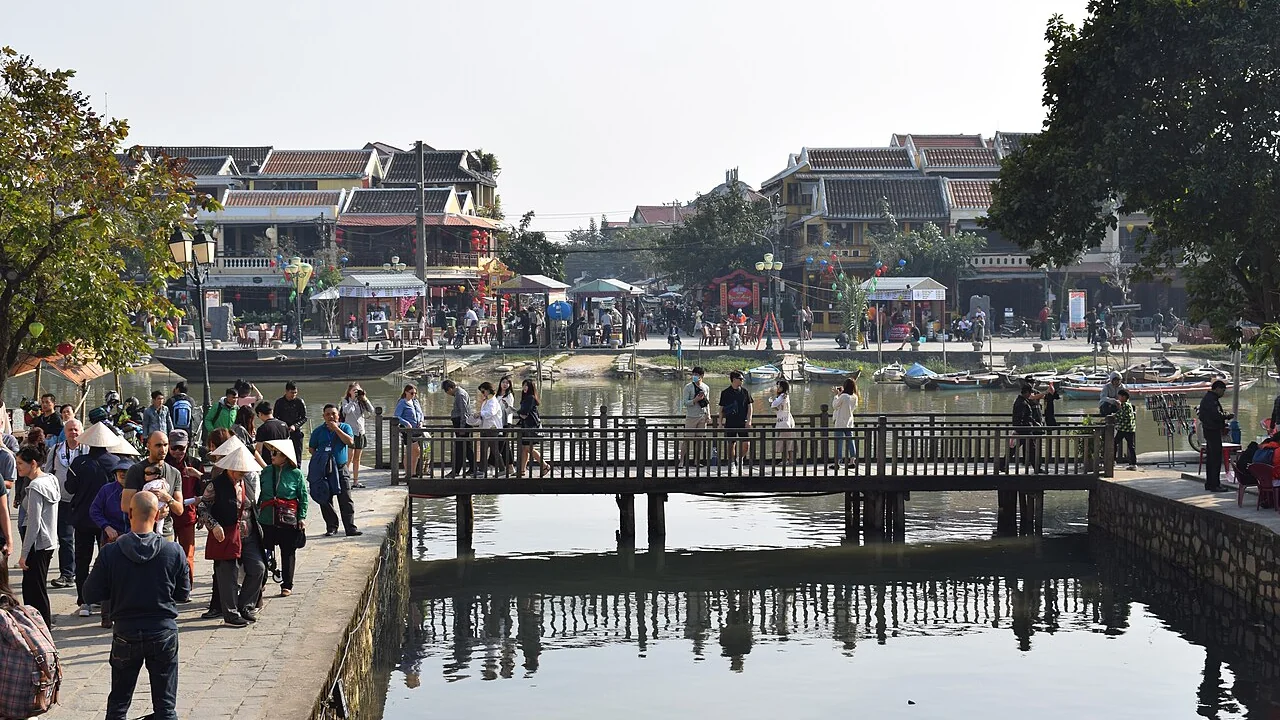
The tropical monsoon climate in Da Nang divides clearly into two primary periods: a prolonged dry season running from January through August, and a concentrated wet season from September through December. Understanding these shifts allows you to align your travel priorities with seasonal strengths.
The climate reference table below provides verified monthly weather indicators for Da Nang:
| Month | Average High Temp | Average Low Temp | Average Rainy Days | Ocean Conditions | Travel Verdict |
|---|---|---|---|---|---|
| January | 25°C (77°F) | 19°C (66°F) | 11 days | Moderate waves, cool water | Pleasant for city walking |
| February | 26°C (79°F) | 20°C (68°F) | 4 days | Calm, refreshing sea | Excellent outdoor sightseeing |
| March | 29°C (84°F) | 22°C (72°F) | 3 days | Clear, gentle swimming conditions | Top overall travel month |
| April | 32°C (90°F) | 24°C (75°F) | 4 days | Very calm, warm water | Perfect for beaches and tours |
| May | 34°C (93°F) | 26°C (79°F) | 7 days | Warm, tranquil ocean swells | Ideal for diving and island trips |
| June | 35°C (95°F) | 26°C (79°F) | 8 days | Warm, glassy seas | Peak summer beach holiday |
| July | 35°C (95°F) | 26°C (79°F) | 9 days | Warm, crystal-clear water | High domestic holiday season |
| August | 34°C (93°F) | 25°C (77°F) | 12 days | Mostly calm, afternoon showers | Good balance of sun and value |
| September | 32°C (90°F) | 24°C (75°F) | 16 days | Choppy waves begin | Monsoon transition month |
| October | 29°C (84°F) | 23°C (73°F) | 20 days | Heavy surf, rough sea | Budget cultural travel |
| November | 27°C (81°F) | 22°C (72°F) | 19 days | High swells, no swimming | Rainy season, low room rates |
| December | 25°C (77°F) | 20°C (68°F) | 15 days | Rough coastal waters | Cool city sightseeing |
Spring Weather from February to May Brings Peak Sightseeing Conditions
Spring marks the most balanced and enjoyable travel period in Central Vietnam. As the cool winds of January recede, daytime temperatures warm gradually into a comfortable range of 26°C to 31°C, while relative humidity drops to its lowest annual levels.
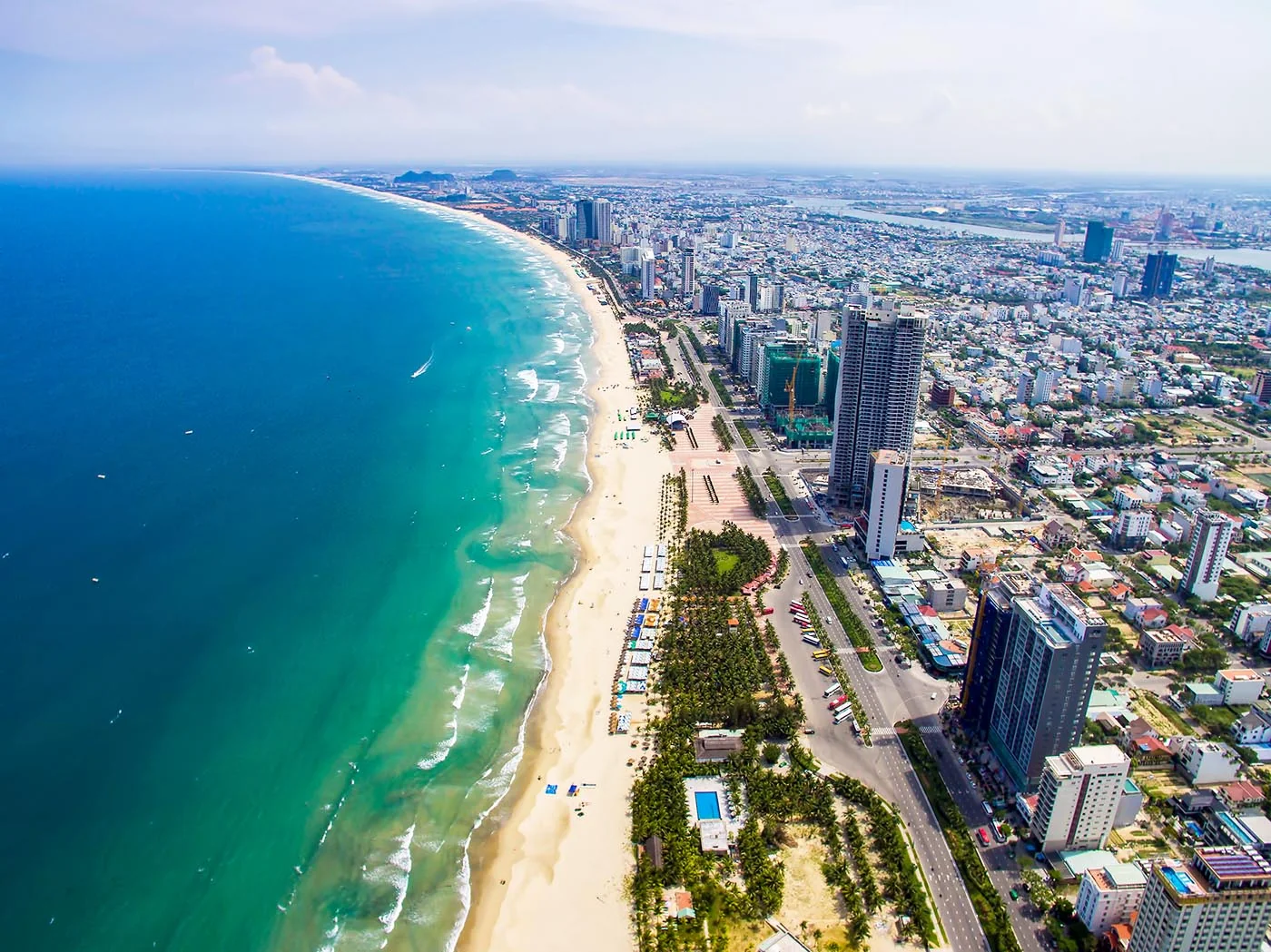
Clear blue skies dominate the coastline, providing optimal conditions for driving the hairpin curves of Hai Van Pass or visiting the outdoor pagodas of Son Tra Peninsula. Ocean waters along My Khe Beach turn calm and crystal-clear, allowing swimmers of all ages to enjoy morning dips under safe conditions.
This period is also ideal for photography. Natural sunlight illuminates the limestone caverns of Marble Mountains in sharp golden beams, and outdoor walking tours through the riverside promenades of Da Nang and nearby historic streets of Hoi An proceed without mid-afternoon heat exhaustion.
- Pack lightweight linen shirts, breathable cotton trousers, and walking shoes suitable for stone stairs.
- Ocean visibility peaks during April and May, creating excellent conditions for snorkeling near Cham Island.
- Hotel availability remains plentiful outside of the Lunar New Year holiday week.
Summer Months from June to August for Sun Lovers and Beach Swimmers
June, July, and August bring true tropical heat to Da Nang, with afternoon temperatures frequently climbing to 35°C. For beach enthusiasts, water sports lovers, and sun worshippers, this remains the undisputed premier season.
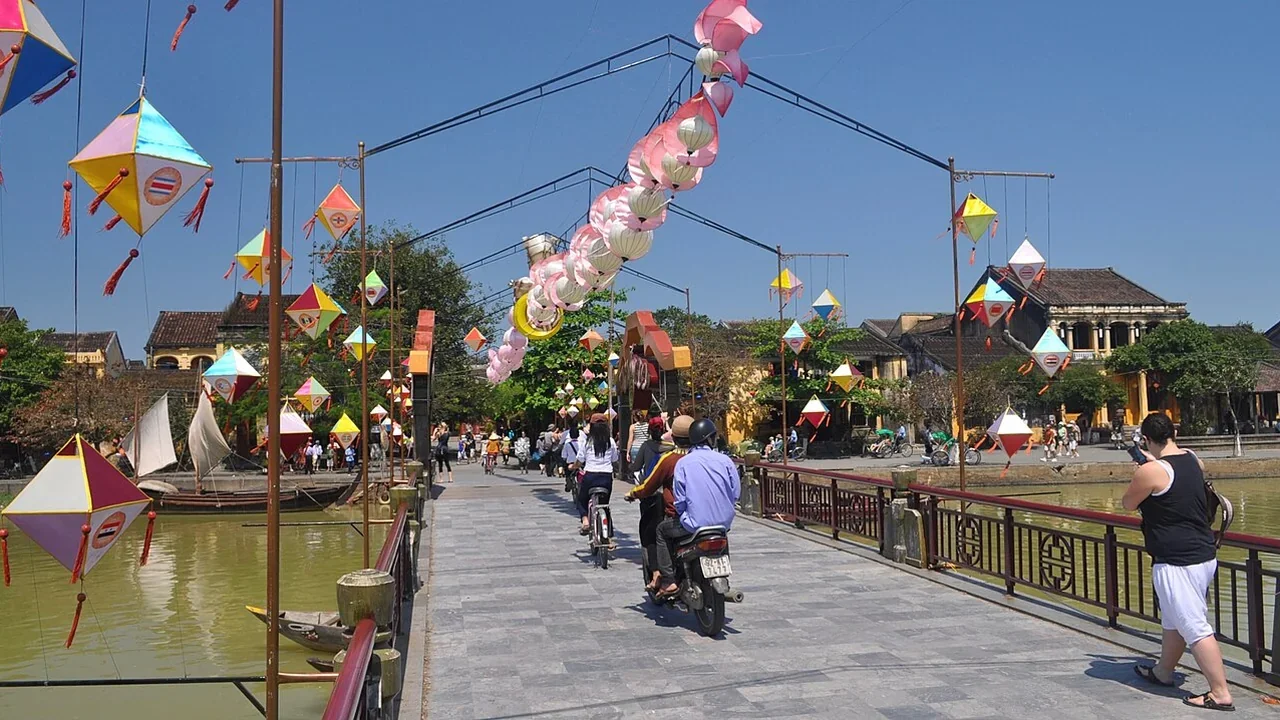
Ocean conditions during these months are extraordinarily calm, resembling a tranquil saltwater lake. Water temperatures hover around 29°C, inviting prolonged swimming, paddleboarding, jet skiing, and parasailing along Vo Nguyen Giap’s beachfront strip.
Structuring Your Day Around Tropical Heat
To maximize comfort during midsummer, follow the local rhythm: explore outdoor sights early in the morning between 06:00 AM and 09:30 AM, escape into air-conditioned cafes or take a midday rest between 11:00 AM and 03:00 PM, and return to the beach after 04:30 PM as the sun begins to set.
Evening temperatures remain warm and pleasant, filling the riverfront Bach Dang promenade and lively night markets with vibrant outdoor energy.
Understanding the Autumn Rainy Season from September to December
Starting in mid-September and extending through December, the northeast monsoon brings cooler maritime air and substantial precipitation to Central Vietnam.
Rainfall during this period often arrives in concentrated tropical downpours lasting several hours, followed by overcast skies and cool breezes. Coastal wave swells increase significantly, prompting beach lifeguards to post red warning flags prohibiting ocean swimming along My Khe Beach.
While autumn requires flexible planning, it offers compelling advantages for budget-conscious travelers. Five-star beachfront resorts slash room rates by thirty to fifty percent, luxury spas offer generous seasonal promotions, and major cultural attractions like the Museum of Cham Sculpture and indoor markets can be explored in quiet serenity.
- Always pack a compact windproof umbrella, lightweight breathable rain poncho, and waterproof phone pouch.
- Check daily marine forecasts before planning boat excursions or coastal mountain drives.
- Spend wet afternoons discovering Da Nang’s vibrant coffee culture and covered market food halls.
Practical Packing Strategies for Central Vietnam’s Microclimates
Central Vietnam’s geography creates localized microclimates between the coast and nearby mountains. A bright sunny day along My Khe Beach can coincide with cool mist atop Ba Na Hills or sudden sea breezes on Son Tra Peninsula.

- Sun protection essentials: Broad-spectrum SPF 50 sunscreen, polarized sunglasses, and a wide-brim hat are non-negotiable from March to August.
- Footwear choices: Bring comfortable walking sneakers with rubber traction for limestone cave paths, alongside supportive waterproof sandals for beach strolls.
- Modest temple layers: Keep a lightweight scarf or light cardigan in your daypack to cover shoulders and knees when entering Buddhist shrines.
- Hydration gear: Carry an insulated reusable water bottle to maintain hydration during hot summer excursions.
Frequently Asked Questions About Da Nang Weather and Travel Seasons
What is the hottest month in Da Nang?
June and July are the hottest months of the year, with daytime high temperatures consistently reaching 35°C (95°F) and high tropical humidity.
Can you swim in the ocean during October and November?
Ocean swimming is generally not recommended during October and November due to strong undertows, rough wave swells, and frequent red-flag warnings posted by local beach safety patrols.
Does it rain continuously during the monsoon season?
No. Even during peak rainy months like October and November, rain typically falls in heavy intermittent downpours lasting one to three hours rather than continuous unbroken rainfall all day long. Many days feature long dry spells suitable for museum visits and dining excursions.
Month-by-Month Outdoor Activity Suitability and Water Sports Calendar
Aligning your chosen travel month with specific outdoor sports and sightseeing activities ensures optimal enjoyment during your Central Vietnam holiday.
For travelers who enjoy open-water ocean swimming, paddleboarding, and snorkeling, the window from March through August provides flat, glassy seas with underwater visibility reaching twelve to fifteen meters around Son Tra’s rocky coral headlands. Kayak and stand-up paddleboard rentals along My Khe Beach cost approximately 150,000 VND to 200,000 VND per hour during early morning hours when water is calmest.
In contrast, the onset of autumn winds between late September and December transforms Da Nang into a vibrant hub for regional wave surfing. Swells along Non Nuoc and My Khe beaches reach heights of one to two meters, attracting international and local surfers. Professional surf schools in the An Thuong Quarter offer daily board rentals from 180,000 VND and private lessons for beginners.
Trekking enthusiasts planning to explore the jungle trails of Son Tra Peninsula or climb the 1,487-meter elevations of Ba Na Hills will find February through April the most comfortable months, with mild temperatures between 24°C and 28°C and minimal humidity.
Cultural Celebrations and Annual Festival Highlights
Planning your trip around Da Nang’s vibrant cultural and spiritual festival calendar adds unforgettable memories to your travel itinerary.
The annual Quan The Am (Goddess of Mercy) Festival takes place at the foot of Marble Mountains on the nineteenth day of the second lunar month (typically falling in late March or early April). This four-day spiritual celebration features colorful ceremonial processions, traditional boat racing on the Co Co River, and evening lotus lantern float releases attracting pilgrims from across Southeast Asia.
During June and July, the Han River waterfront hosts the prestigious Da Nang International Fireworks Festival (DIFF). Elite pyrotechnic teams from around the world compete across consecutive weekend evenings, accompanied by open-air music concerts, street food carnivals, and illuminated riverboat parades.
Travelers making evening day trips to nearby Hoi An can align their visits with the monthly Full Moon Lantern Festival on the fourteenth night of each lunar month, when electric street lights are extinguished across the historic old town in favor of thousands of glowing silk lanterns.
Because Da Nang and neighboring Hoi An sit merely twenty-eight kilometers apart on the Central Vietnam coastline, their seasonal weather patterns align almost identically throughout the year.
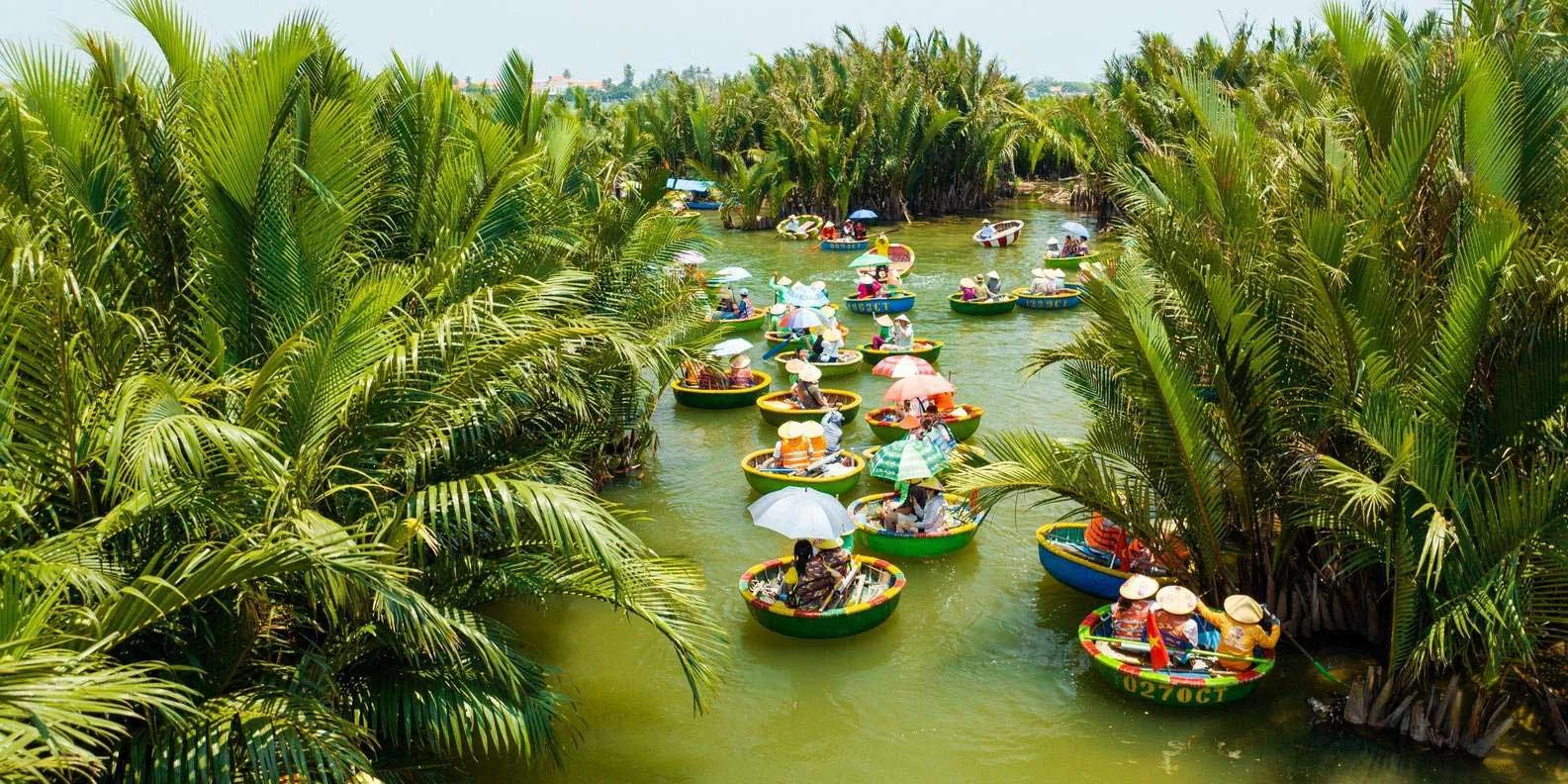
During the optimal spring window between February and May, dry breezes and mild temperatures around 26°C (79°F) make full-day excursions to Hoi An exceptionally pleasant. Travelers can spend bright mornings sightseeing Da Nang’s coastal landmarks, and easily transition southward in the afternoon to explore the water coconut canals of Cam Thanh.
At Lang Dua Xanh, the dense canopy of green nipa palm waterways provides natural shade and refreshing river breezes even during the warmer midday hours. Calm river currents during the dry spring and early summer months ensure smooth, stable basket boat rides, allowing photographers to capture brilliant reflections, traditional fishing demonstrations, and vibrant boat-spinning performances under clear skies.
Conversely, during the late autumn wet season from October to December, travelers combining both destinations should schedule outdoor basket boat rides during morning weather clearings, reserving rainy afternoons for Hoi An’s covered tailor workshops, tea houses, and ancient merchant museums.
Seasonal Microclimates Across Mountain Passes and Coastal Strips
Central Vietnam’s unique terrain creates noticeable local microclimate variations between Da Nang’s urban beaches and surrounding mountainous regions.
While sunshine bathes My Khe Beach, ascending the 496-meter summit of Hai Van Pass often brings swirling coastal fog and temperatures four to six degrees cooler. Similarly, Sun World Ba Na Hills at nearly 1,500 meters above sea level experiences frequent afternoon mountain mists and cool alpine breezes, requiring a windbreaker even during peak summer months.
Travelers making evening road excursions southward toward Hoi An will notice that the open river delta around the Thu Bon River and the sheltered palm waterways of Cam Thanh enjoy gentler coastal breezes and slightly lower daytime humidity than Da Nang’s paved urban center.
