Exploring Central Vietnam’s living artisan villages reveals centuries of cultural mastery, specialized materials, and ancestral pride surviving into the modern era. As local heritage travel specialists guiding cultural workshops across Da Nang and neighboring coastal districts, we visit working ateliers weekly. From four-hundred-year-old marble chiselers to seaside fish sauce fermenters, this 2026 guide highlights the most authentic traditional craft experiences in Da Nang.
Quick Summary:
- Ancient stone sculpture: Non Nuoc Village at the foot of Marble Mountains showcases four centuries of delicate marble and jade artistry.
- Marine culinary heritage: Nam O Village along Da Nang Bay maintains century-old wooden barrel fermentation of artisanal anchovy sauce.
- Ceramics & pottery: Nearby Thanh Ha village preserves ancient unglazed terracotta pottery crafted on manual foot-turned wheels.
- River weaving & lanterns: Rural hamlets near Hoi An continue ancestral palm leaf weaving and collapsible silk lantern making.
- Artisan etiquette: Always ask permission before photographing master carvers and support local guilds by purchasing directly from family workshops.
What Makes Central Vietnam’s Traditional Craft Villages Unique?
Traditional craft villages across Da Nang developed through royal patronage from the imperial court and maritime trade connections through ancient coastal ports. These specialized communities passed complex technical knowledge down through tight-knit family lineages, creating distinct guild identities that thrive today.

Visiting these living workshops allows travelers to connect directly with master artisans, observe labor-intensive handcrafting techniques, and understand the cultural symbolism embedded in everyday objects. Unlike commercial gift shops selling mass-produced trinkets, authentic ateliers welcome respectful visitors to observe every step of creation.
The comparative artisan reference table below outlines the region’s prominent craft villages, materials, and workshop opportunities:
| Traditional Craft Village | Specialization & Material | Historical Age | Location Distance | Workshop Experience | Recommended Souvenir |
|---|---|---|---|---|---|
| Non Nuoc Stone Village | Marble & jade stone carving | 400+ years | 8 km south of center | Observe chiselers, carve mini stamps | Polished marble jewelry, stone statuettes |
| Nam O Fish Sauce Village | Fermented black anchovies | 200+ years | 14 km north of center | Factory tour, aroma sampling | Glass bottles of pure first-press nuoc mam |
| Thanh Ha Pottery Village | Terracotta river clay | 500+ years | 23 km south of center | Hands-on wheel pottery shaping | Terracotta whistle figurines, tea cups |
| Cam Thanh Palm Weaving | Nipa palm fronds & bamboo | 250+ years | 26 km south of center | Weave origami watches & grasshoppers | Hand-woven bamboo baskets, sun hats |
| Kim Bong Carpentry | Indigenous timber & woodwork | 450+ years | 28 km south of center | Watch shipbuilders & wood turners | Hand-carved hardwood coasters, bas-reliefs |
Non Nuoc Stone Carving at the Base of Marble Mountains
Non Nuoc Craft Village sits directly at the southeastern base of Mount Thuy, established in the late 17th century by artisan Huynh Ba Quat. For over four hundred years, generations of stonecutters extracted local limestone to produce monumental Buddha statues, ornate garden fountains, and decorative household items.
To protect the natural integrity of Marble Mountains, the local government prohibited domestic quarrying from the peaks decades ago. Today, master artisans ethically source high-grade marble, granite, and ornamental jade from certified quarries across northern and central Vietnam.
Walking through the pedestrian workshop avenues of Nguyen Duy Trinh Street reveals dozens of family-owned ateliers echoing with the rhythmic clink of hand chisels and pneumatic diamond polishers. Experienced sculptors shape raw stone blocks weighing several tons into lifelike temple guardians, graceful Quan Am deities, and playful dragon figurines.
Visitors can observe the multi-stage finishing process, where coarse stone surfaces undergo progressive sanding with water and fine pumice powder until achieving a glass-like sheen. Smaller family workshops welcome travelers to try basic carving techniques on soft soapstone blanks to produce personalized seal stamps.
Nam O Fish Sauce Village Along the Northern Coast
Situated along the curve of Da Nang Bay near the foot of Hai Van Pass, Nam O Village maintains an unbroken tradition of artisanal fish sauce brewing dating back over two centuries.
Unlike industrial chemical sauce factories, Nam O artisans use only two pure ingredients: fresh black anchovies (ca com than) netted offshore between March and August, and coarse sea salt harvested from the pristine solar salt flats of Sa Huynh. The ratio remains strictly three parts anchovy to one part salt.
The mixture ferments naturally inside massive wooden vats crafted from Jackfruit or ironwood staves bound with wild rattan ropes. Over twelve to eighteen months of tropical sun maturation, the fish slowly liquefies, producing a rich amber-red liquid with an unmistakably fragrant aroma and intense savory umami depth.
Guided morning visits allow travelers to meet third-generation vat masters, learn how first-press virgin fish sauce (nuoc mam nhi) is drawn through wooden spigots, and taste freshly drawn samples paired with local rice paper rolls.
Thanh Ha Pottery and Ancient Ceramic Arts
Located along the scenic banks of the Thu Bon River just south of Da Nang, Thanh Ha Pottery Village preserves rustic ceramic traditions dating back to the 16th century. Migrant potters from northern Vietnam settled here to produce terracotta roofing tiles, decorative bricks, and kitchen containers for merchant vessels.
Thanh Ha pottery relies exclusively on rich alluvial clay dug from the riverbed. The clay is thoroughly kneaded with feet and water until completely smooth, then thrown onto traditional manual pottery wheels. Unlike modern electric wheels, two artisans work in seamless harmony: one stands on one leg while rhythmically kicking the wooden wheel to maintain rotational speed, while the master potter molds the clay using steady hands and damp cloth strips.
The molded vessels dry naturally under the tropical sun before entering traditional wood-fired brick kilns. The resulting unglazed terracotta exhibits warm reddish-orange tones and earthy textures.
Visitors can sit at a traditional wheel under the guidance of elder craftswomen to throw their own clay vase, small bowl, or decorative animal figurine to take home.
Bamboo Craft and Palm Weaving in Neighboring Coastal Hamlets
The coastal river deltas connecting Da Nang to neighboring Hoi An host resilient communities centered around bamboo craftsmanship and water coconut palm utilization.

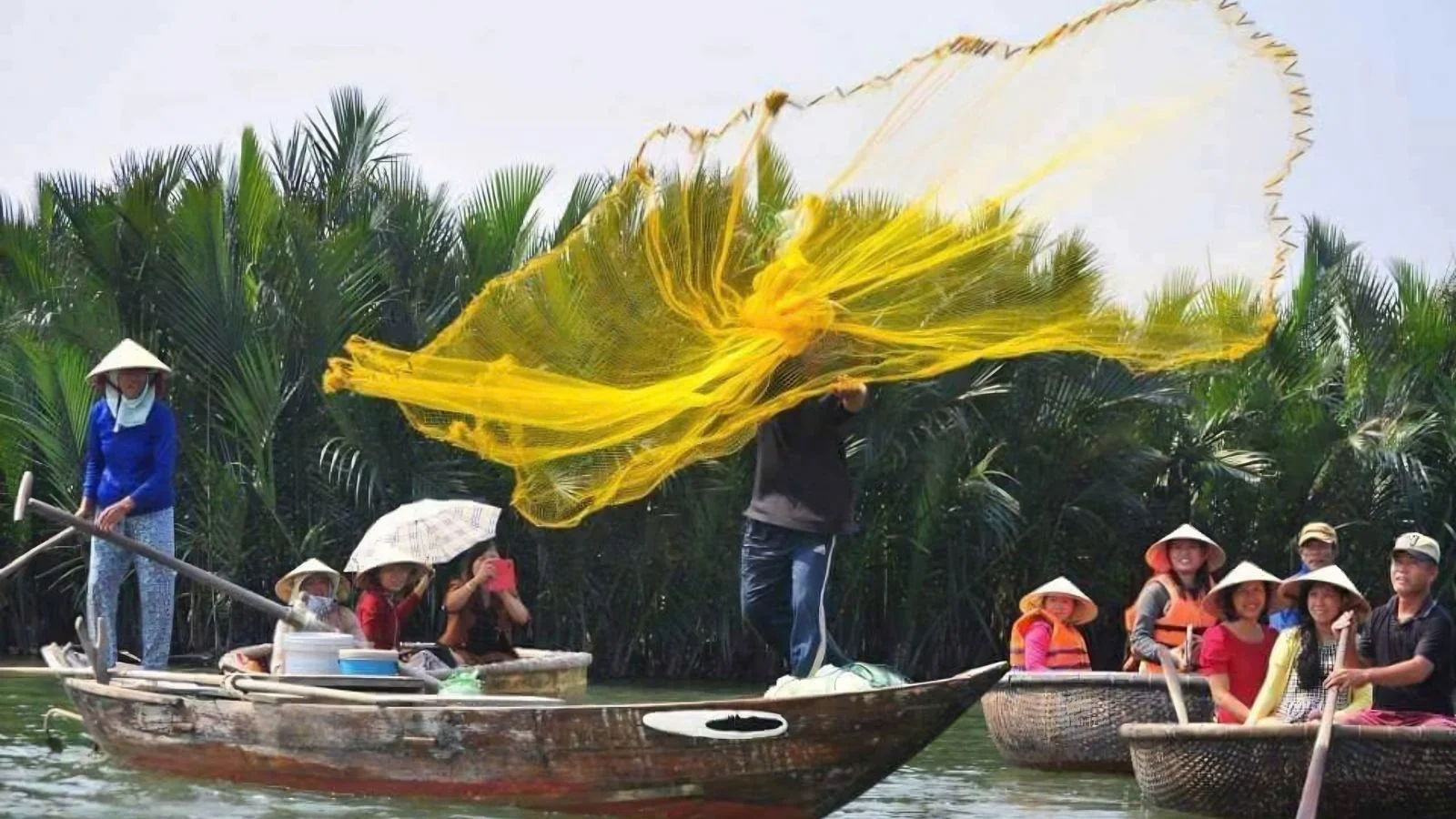
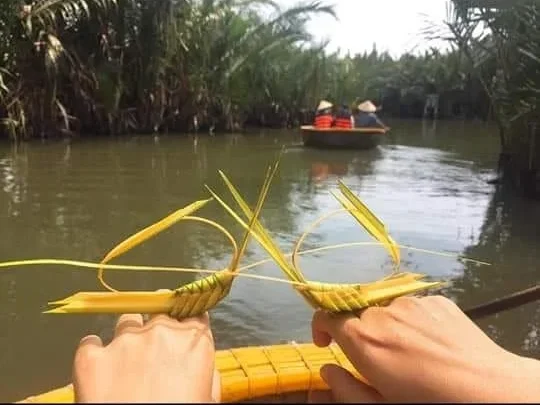
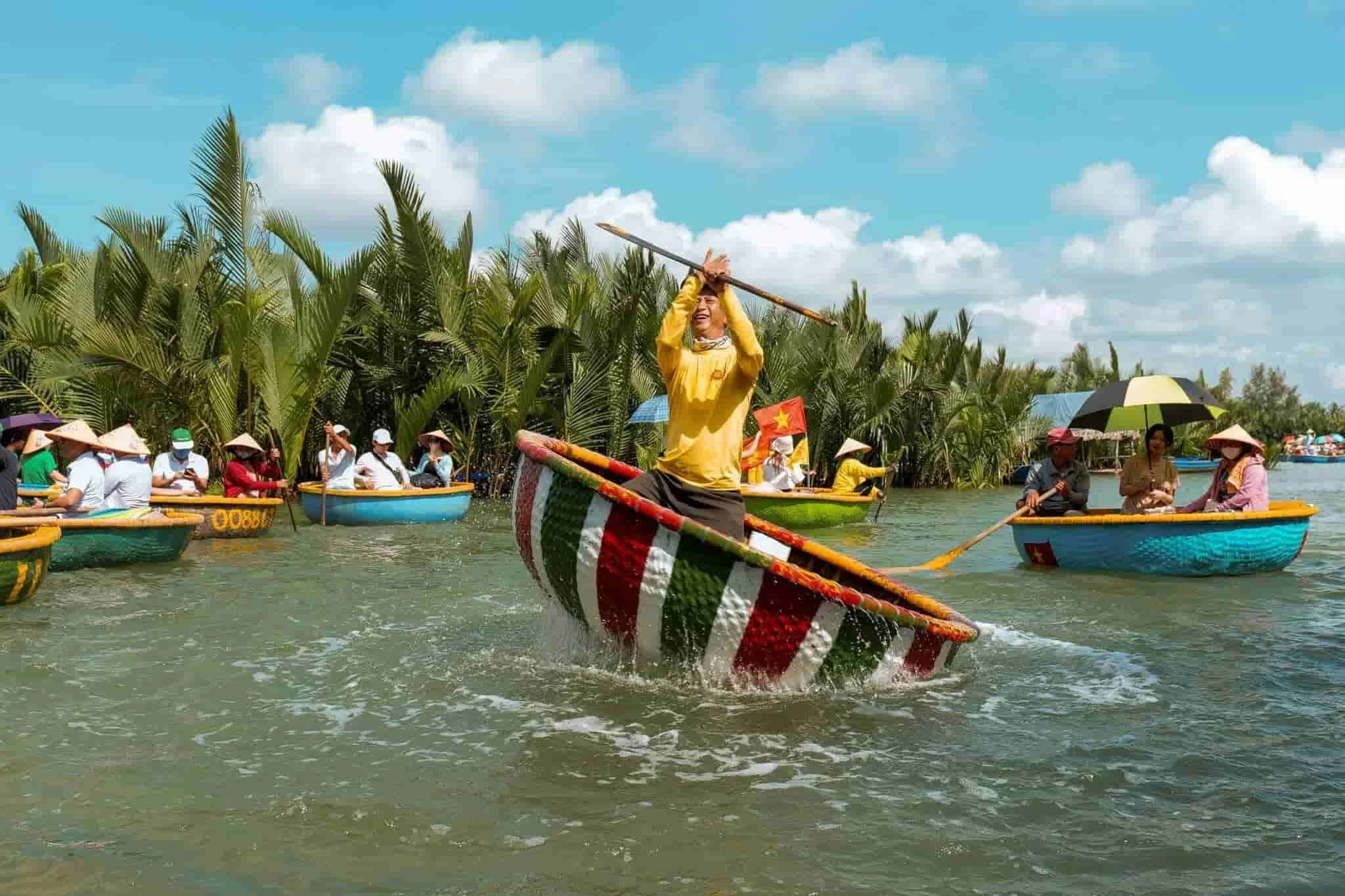
In the rural waterways of Cam Thanh, local boatwrights construct traditional circular bamboo coracles (thung chai). Woven from flexible bamboo splits and caulked with natural tree resin and pitch, these lightweight round boats navigate shallow tidal canals with remarkable buoyancy. Artisans also demonstrate the delicate art of folding fresh palm fronds into intricate grasshoppers, flower rings, and sun visors as welcoming gifts.
Meanwhile, in historic Hoi An, evening workshops allow visitors to assemble traditional collapsible silk lanterns. Guided by local craftsmen, travelers stretch vibrant colored silks across steam-bent bamboo frames, learning the cultural symbolism of lantern colors for family prosperity and peace.
Practical Etiquette When Visiting Traditional Artisan Workshops
Respecting working artisans ensures positive cultural exchanges and supports sustainable heritage preservation:
- Always ask permission before photographing artisans while they are actively operating machinery or carving stone.
- Supervise children carefully around heavy stone sculptures, spinning pottery wheels, and sharp carving adzes.
- Bargain with gentle friendliness; remember that handcrafted stone sculptures and clay vessels require hours of physical labor.
- When purchasing stone souvenirs, ask for safe bubble-wrap packaging and weight certification for airline baggage compliance.
- Support working masters by purchasing small crafts, pottery whistles, or bottled artisan sauces directly from their family shops.
Master Artisan Profiles and Family Lineages Across Centuries
The enduring prestige of Non Nuoc Stone Village rests on the disciplined training and ancestral respect maintained by its master carvers.
Young apprentices train under seasoned family elders for five to seven years before attempting complex sculptural commissions. The process begins by studying the geological grain and natural color veining of the raw stone block. Master carvers use specialized steel chisels and diamond-tipped grinding tools, carefully reading the stone’s hidden fissures to ensure delicate features like fingers, flowing drapery, and facial expressions remain structurally sound without internal fractures.
To protect the natural landscape of Marble Mountains from industrial degradation, the Da Nang municipal government banned stone quarrying from the five peaks over three decades ago. Today, artisan guilds maintain sustainable supply partnerships with certified legal quarries in Thanh Hoa, Nghe An, and Da Nang’s western mountain districts. Furthermore, modern workshops utilize automated water-filtration recycling systems to suppress silica dust and prevent untreated wastewater from entering local river channels.
Hands-On Workshop Schedules and Participation Costs
Travelers who want more than passive observation can enroll in structured hands-on artisan workshops across the region:
- Non Nuoc Stone Stamp Carving: 150,000 VND to 250,000 VND ($6 to $10) for a 60-minute session carving your name or zodiac animal onto soft soapstone seals under artisan guidance.
- Thanh Ha Pottery Wheel Shaping: 100,000 VND to 150,000 VND ($4 to $6) for a 45-minute private lesson learning manual foot-wheel kicking and terracotta clay pulling.
- Palm Origami and Basket Weaving: 80,000 VND to 120,000 VND ($3.20 to $4.80) for a charming riverside craft demonstration folding palm leaves into decorative grasshoppers and flower rings in neighboring rural hamlets.
Regional Logistics Connecting Artisan Guilds Across Central Vietnam
Planning your route between Da Nang’s stone carving quarters and the rural craft guilds of Quang Nam province is straightforward via the coastal highway.
Just a short twenty-five-minute drive south of Da Nang’s marble workshops, the historic waterways of Hoi An and Cam Thanh preserve ancient traditions of maritime basket boat construction and palm frond craftsmanship.
At Lang Dua Xanh, local artisans continue the centuries-old practice of crafting traditional circular coracles, known locally as thung chai. Master weavers select mature, pliable bamboo stalks, split them into uniform ribbons, and weave them into tight hemispherical hulls. The outer surface is sealed with natural tree resin and water-resistant tar, producing lightweight, buoyant vessels capable of navigating shallow river shoals and coastal surf for decades.
Alongside vessel building, the artisans of Lang Dua Xanh maintain the intricate folk art of fresh palm frond origami. Using nothing more than a small pocket knife and freshly harvested nipa palm leaves, boatmen dexterously twist, fold, and interlock green fronds into charming figures: lifelike singing grasshoppers, wearable flower rings, decorative wristwatches, and tribal crowns. Visiting travelers can sit with local craft elders to learn the precise folding sequences, gaining intimate appreciation for how Central Vietnamese coastal communities transform river foliage into functional art.
Hiring a private car with a dedicated driver for four hours provides the most seamless transport for craft tours, as vehicles offer ample air-conditioned trunk space to safely protect delicate terracotta pottery and stone stamps without breakage risk.
Helpful Questions When Planning a Traditional Craft Tour
Can I ship heavy stone sculptures purchased at Non Nuoc overseas?
Yes. Established carving workshops in Non Nuoc routinely manage international maritime container freight and express air cargo to North America, Europe, and Australia, providing full export paperwork and wooden crate packing.
Are traditional craft workshops accessible for travelers with limited mobility?
Non Nuoc stone showrooms and Nam O village streets are flat and paved, making them wheelchair and stroller friendly. Thanh Ha pottery workshops are ground-level open-air pavilions with easy paved access.
How much time should I allocate for a traditional craft tour?
A dedicated morning craft excursion of three to four hours comfortably allows you to explore Non Nuoc Stone Village, participate in a pottery shaping session, and visit working family workshops without rushing.
