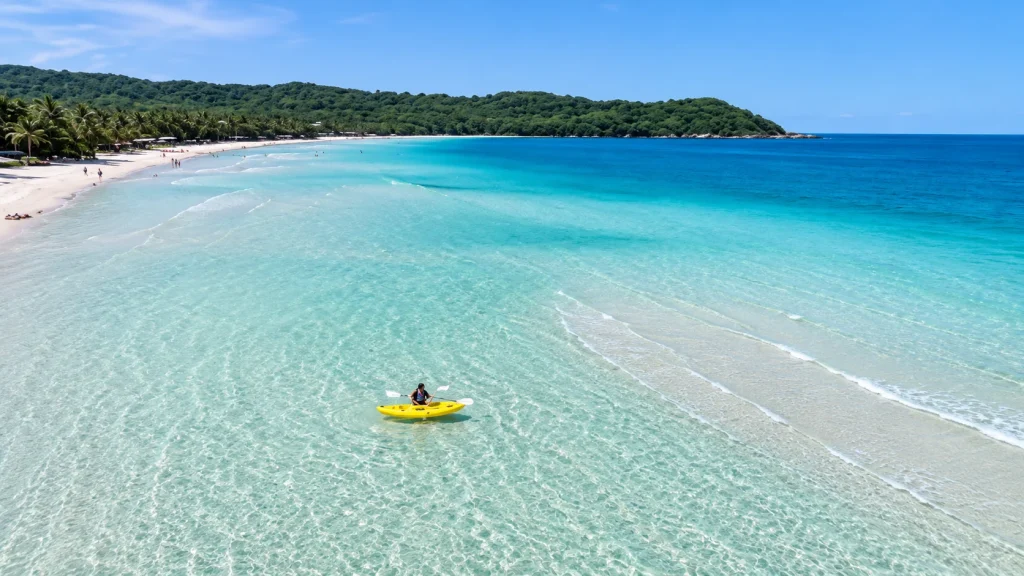
Choosing between Phu Quoc and Da Nang depends on whether travelers prioritize secluded tropical island relaxation or an energetic coastal hub rich with cultural heritage. Both destinations showcase premier coastlines in Vietnam, yet their geography, regional infrastructure, and daily activities offer contrasting vacation experiences.
Quick Summary: Phu Quoc vs Da Nang:
- Da Nang: Dynamic coastal city, lower travel expenses, gateway to UNESCO sites, rich street food, ideal from February to August.
- Phu Quoc: Tropical island retreat, serene turquoise bays, luxury beachfront resorts, sunset coastlines, ideal from November to April.
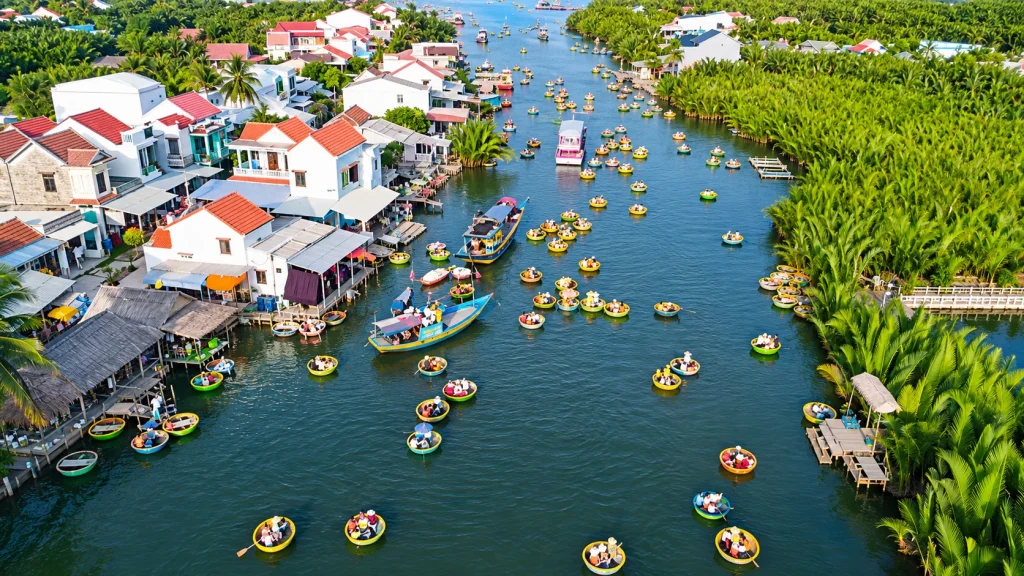
- Heritage access: Da Nang offers rapid access to Hoi An and Lang Dua Xanh coconut forest, while Phu Quoc focuses on marine leisure.
- Budget comparison: Da Nang averages twenty five to thirty five percent more affordable across food, transport, and lodging.
Core Differences Between Phu Quoc And Da Nang
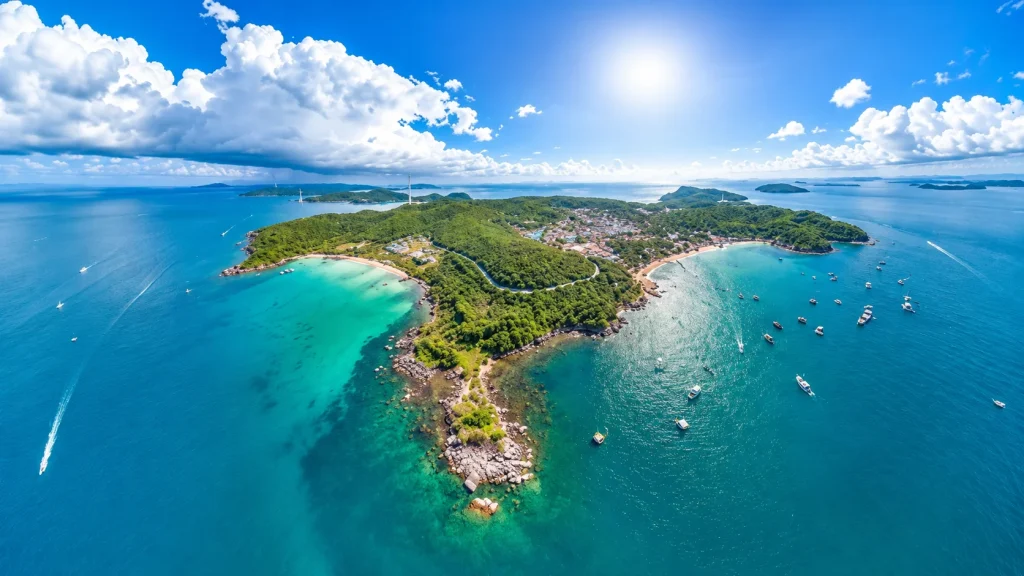
Phu Quoc is a special zone situated in the southwestern waters of Vietnam. The territory features tranquil sandy coves, protected national forest reserves, and isolated luxury island resorts.
Da Nang represents the fourth largest metropolitan center in Vietnam positioned along the central coastline. Modern bridges span the Han River while high rise hotel towers overlook expansive sandy shorelines.
The urban nature of Da Nang delivers convenient public transportation, diverse culinary markets, and lively city nightlife. Travelers navigate easily between beachfront boulevards and traditional shopping quarters.
Daily life in Da Nang moves at a brisk yet welcoming pace where modern convenience harmonizes with maritime heritage. High quality medical facilities, international banking services, and extensive retail options provide peace of mind for long term visitors.
| Feature | Phu Quoc | Da Nang |
|---|---|---|
| Vibe & Setting | Laid-back tropical island getaway | Bustling, modern coastal city |
| Region | Southern Vietnam (Gulf of Thailand) | Central Vietnam |
| Best Weather | November to April (dry season) | February to August (dry season) |
| Top Activities | Island hopping, snorkeling, luxury resorts, night markets | Sightseeing, cultural day trips, beach lounging, city dining |
| Nearby Day Trips | Small surrounding islands (An Thoi archipelago) | Hoi An Ancient Town, Hue Imperial City, Ba Na Hills |
| Travel Budget | Higher (skewed toward resort and tourist pricing) | Mid-range (wide mix of budget local food and hotels) |
Beach Landscapes And Aquatic Sports Comparison
The right coastal environment dictates which aquatic sports are safe, fun, and even possible. Calm, sheltered coves are ideal for flat-water activities like paddleboarding, while open, wind-exposed coastlines are necessary for surfing and kitesurfing.
| Beach Landscape | Water & Wind Conditions | Best Aquatic Sports | Ideal Skill Level |
|---|---|---|---|
| Sheltered Bays & Coves | Calm, flat water; minimal swells; protected from strong winds | Stand-up paddleboarding (SUP), kayaking, swimming, beginner snorkeling | Beginner to All Levels |
| Open Sandy Beaches | Consistent rolling waves; moderate to strong onshore/cross-shore winds | Surfing, bodyboarding, skimboarding, kitesurfing | Beginner to Advanced |
| Coral Reefs & Rocky Coasts | Clear visibility; diverse marine life; potential surge or sharp drop-offs | Scuba diving, freediving, advanced snorkeling, sea kayaking | Intermediate to Advanced |
| Lagoons & Estuaries | Shallow, warm, flat water paired with steady thermal winds | Windsurfing, kitesurfing, wing foiling, canoeing | Beginner to Intermediate |
| Windy Headlands & Point Breaks | Long, organized swells; strong currents; high wind speeds | Tow-in surfing, wave sailing, foil surfing | Advanced / Expert |
Cultural Heritage And Regional Sightseeing Opportunities
Cultural depth represents the single greatest distinction between these two Vietnamese holiday destinations. Da Nang stands as the geographic pivot point for three distinguished UNESCO World Heritage landmarks.
Ancient Hoi An town lies merely thirty kilometers south of central Da Nang. Travelers can explore historic Chinese assembly halls, centuries old wooden merchant residences, and glowing lantern streets within a brief commute.
Da Nang is stronger for deep historic and regional cultural heritage, while Phu Quoc centers on island traditions, local craft workshops, and coastal leisure.
Da Nang Cultural Heritage & Regional Sightseeing
- Cham Sculpture Museum: Houses nearly 300 Champa stone and terracotta artworks from the 7th to 15th centuries.
- Marble Mountains (Ngu Hanh Son): Features limestone peaks, grottoes, ancient pagodas, and coastal views.
- Son Tra Peninsula: Offers coastal scenery, forest trails, and the Son Tra Quan Yin (Goddess of Mercy) statue.
- City Landmarks & Markets: Includes Dragon Bridge, Da Nang Cathedral, and Han Market.
- Nearby Regional Heritage: Easy day trips reach Hoi An Ancient Town (UNESCO World Heritage site), My Son Sanctuary, Cham Island (a UNESCO World Biosphere Reserve with historic pagodas), and Hue’s Imperial Citadel.
Phu Quoc Cultural Heritage & Regional Sightseeing
- Phu Quoc Prison: Exhibits wartime history and local resistance stories.
- Coi Nguon Museum: Focuses on island history, maritime heritage, and local artifacts.
- Spiritual Sites: Includes Dinh Cau Temple (a sea goddess shrine on the coast), Su Muon Pagoda, and Ho Quoc Pagoda (Truc Lam Zen Monastery) overlooking the sea.
- Traditional Craft & Agriculture: Pepper farms, fish sauce factories, sim wine workshops, pearl farms, and basket-boat river outings highlight local livelihoods.
- Coastal & Island Sightseeing: Bai Khem and Khem Beach offer quieter shoreline time, while Hon Thom cable car and Sunset Town connect to southern island activities.
Daily Travel Expenses And Accommodation Value
Hotel And Resort Pricing Comparison
- Da Nang 3-star boutique hotels: 500,000 to 850,000 VND per night including breakfast near My Khe Beach.
- Da Nang 4-star beachfront properties: 1,200,000 to 2,000,000 VND nightly featuring rooftop infinity pools and ocean vistas.
- Phu Quoc mid-range bungalows: 900,000 to 1,500,000 VND per night reflecting island logistics and resort overheads.
- Phu Quoc luxury brand resorts: 4,500,000 to 12,000,000 VND per night for private beachfront pool villas.
Local Transit And Scooter Rental Costs
Transportation expenses also differ noticeably. Da Nang benefits from standard Grab car fares, metered taxis, and affordable scooter rentals at 120,000 VND daily.
Phu Quoc taxi fares are somewhat higher due to vast travel distances between northern theme parks and southern harbors. Renting a scooter on the island costs 150,000 to 200,000 VND daily across uneven road surfaces.
Food And Daily Dining Budgets
- Da Nang dining costs: Satisfying bowls of fresh noodles cost 35,000 to 50,000 VND, and full seafood dinners average 250,000 to 400,000 VND per guest.
- Phu Quoc dining costs: Casual meals in tourist zones commonly start at 70,000 to 120,000 VND, with seaside barbecues averaging 400,000 to 700,000 VND per guest.
- Total weekly vacation savings: A family of four saves eight to fifteen million VND in Da Nang compared to an equivalent holiday in Phu Quoc.
Weather Patterns And Seasonal Travel Considerations
Da Nang Dry Season from February to August
Da Nang experiences its dry and sunny high season from February through August. Temperatures remain warm with calm sea conditions, making summer months ideal for swimming and outdoor exploration.

From late September through December, the northeast monsoon brings frequent tropical rain showers and rough surf to central Vietnam. Sightseeing remains viable, but beach activities face limitations during seasonal rain spells.
Phu Quoc High Season from November to April
Phu Quoc enjoys its dry high season from November through April when skies remain clear and seas stay flat. This window perfectly matches winter vacation timing for international visitors from cooler climates.
The southern monsoon affects Phu Quoc from May through October, generating heavier rainfall and choppy western surf. Travelers planning summer holidays often find Da Nang significantly drier than Phu Quoc.
Booking during shoulder months like February or late August often delivers optimal combinations of sunny weather, moderate crowds, and reasonable flight ticket pricing across both regions.
Which Destination Truly Suits Your Holiday Style?
Why Choose Da Nang for Culture And Energy?
Choose Da Nang if you appreciate vibrant urban energy, lower daily budgets, and rich historical exploration across central Vietnam. The ability to visit Marble Mountains, Ba Na Hills, and the rustic waterways of Lang Dua Xanh in Hoi An creates an exceptionally balanced holiday.

Families with curious teenagers, history enthusiasts, and budget conscious backpackers will discover endless engagement throughout Da Nang and surrounding Quang Nam province. Transport efficiency allows travelers to maximize every hour on the ground.
Why Choose Phu Quoc for Secluded Island Rest?
Select Phu Quoc if your dream vacation involves unhurried mornings on white sand beaches, tranquil ocean swimming, and peaceful sunset cocktail hours. The island provides an intimate sanctuary for honeymoon couples, luxury resort seekers, and travelers wishing to disconnect from city noise.
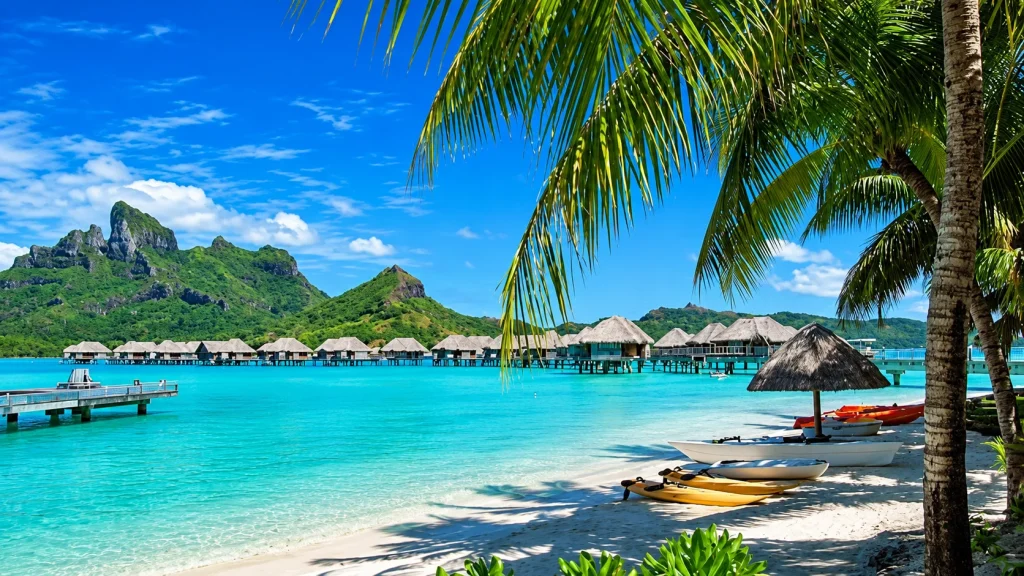
Those with extended itineraries of ten days or more can comfortably combine both destinations via direct domestic flights connecting Da Nang International Airport with Phu Quoc Airport in just under two hours.
Frequently Asked Questions About Choosing Between Da Nang And Phu Quoc?
Which destination is cheaper for a one week vacation?
Da Nang is noticeably cheaper than Phu Quoc, with travelers saving approximately twenty five to thirty five percent across dining, local transport, and hotel accommodations.
Is Da Nang or Phu Quoc better for cultural sightseeing?
Da Nang is vastly superior for cultural sightseeing due to its close proximity to Hoi An Ancient Town, My Son Sanctuary, imperial Hue citadels, and traditional craft villages.
Can visitors swim safely in the ocean at both destinations?
Both destinations offer safe swimming during their respective dry seasons, with Da Nang ideal from February to August and Phu Quoc safe from November to April.
How far is Lang Dua Xanh from Da Nang hotels?
Lang Dua Xanh in Cam Thanh is located thirty kilometers south of central Da Nang, taking roughly thirty five to forty minutes by taxi or private car transfer.
Which destination has better luxury beachfront resorts?
Phu Quoc offers a wider variety of secluded luxury private island resorts, whereas Da Nang features high end international hotel chains situated directly along urban coastal boulevards.
