
Crafting your own Hoi An lantern is more than just a DIY project; it is an immersive journey into Vietnamese culture and a chance to create a beautiful piece of handmade art for your home. Many aspiring crafters wonder if they can truly make an authentic, collapsible Hoi An lantern without special artistic skills. At Làng Dừa Xanh, we believe everyone can experience the joy of Vietnamese craftsmanship.
This comprehensive guide will walk you through every detail, from sourcing authentic materials to mastering the intricate steps, ensuring you gain the confidence and practical knowledge to bring a piece of Hoi An’s magic into your life.
Overview: Your Journey to Crafting an Authentic Hoi An Lantern
The Allure of Hoi An Lanterns: History and Cultural Significance
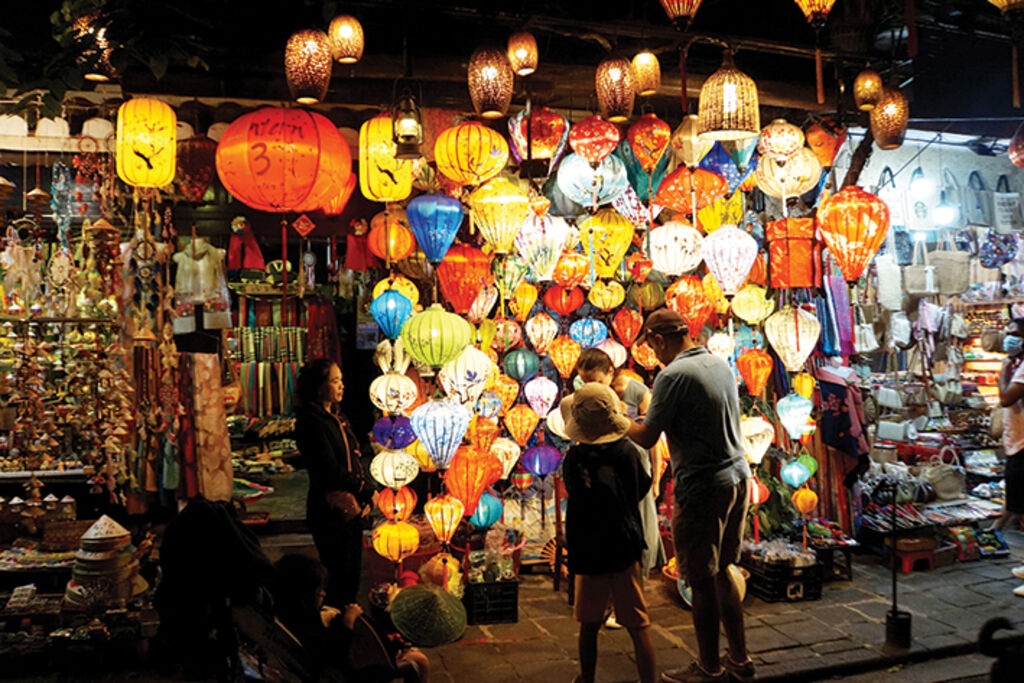
Hoi An lanterns are unique traditional Vietnamese silk lanterns, celebrated for their vibrant colors, intricate designs, and distinctive collapsible bamboo frames. These lanterns are a quintessential symbol of Hoi An Ancient Town, a UNESCO World Heritage site in central Vietnam, embodying the rich cultural heritage and Vietnamese craftsmanship of the region.

Historically, lanterns have played a significant role in Vietnamese culture, especially during festivals like the monthly Lantern Festival (Vietnam) and the Mid-Autumn Festival, where the town glows with thousands of handmade lights. They symbolize peace, happiness, and prosperity, often adorning homes and businesses. Understanding Hoi An culture enriches the crafting experience.
Is Making a Hoi An Lantern Right for You? Feasibility for Beginners
Making a Hoi An lantern is absolutely achievable for beginners, requiring patience rather than specialized artistic skills. You do not need prior crafting experience to create a beautiful, authentic lantern. The process is broken down into manageable steps, making it accessible for anyone willing to learn.
Expect a rewarding experience as you transform simple materials into a stunning piece of DIY home decor. This beginner’s guide to making traditional Hoi An lanterns will empower you to succeed.
Quick Overview: The Essential Steps to Making Your Hoi An Lantern
This section provides a rapid glance at the process for those who want a quick understanding of how to make Hoi An lanterns. Each point briefly states a main stage and its purpose, offering a clear roadmap for your DIY Hoi An lantern tutorial.
- Step 1: Preparing Your Materials – Gather bamboo, silk, and tools essential for your Vietnamese lantern craft.
- Step 2: Constructing the Bamboo Frame – Shape and assemble the core structure, including the unique collapsible mechanisms.
- Step 3: Attaching the Silk Fabric – Carefully cover the frame with vibrant silk for a traditional look.
- Step 4: Adding Finishing Touches – Decorate and install the light source, creating your handmade gift.
- Step 5: Care and Maintenance – Learn how to ensure your DIY home decor lasts for years.
This step-by-step Hoi An lantern making guide offers a clear path to creating your own beautiful lantern.
Before You Begin: Assessing Your Needs and Expectations
Understanding Different Hoi An Lantern Types and Shapes
Hoi An lanterns come in various forms, including both collapsible and fixed designs. The collapsible design is a hallmark of Hoi An traditional lanterns, allowing them to fold flat for easy transport and storage. Common shapes include round, diamond, garlic, hexagon, and the elegant lotus.
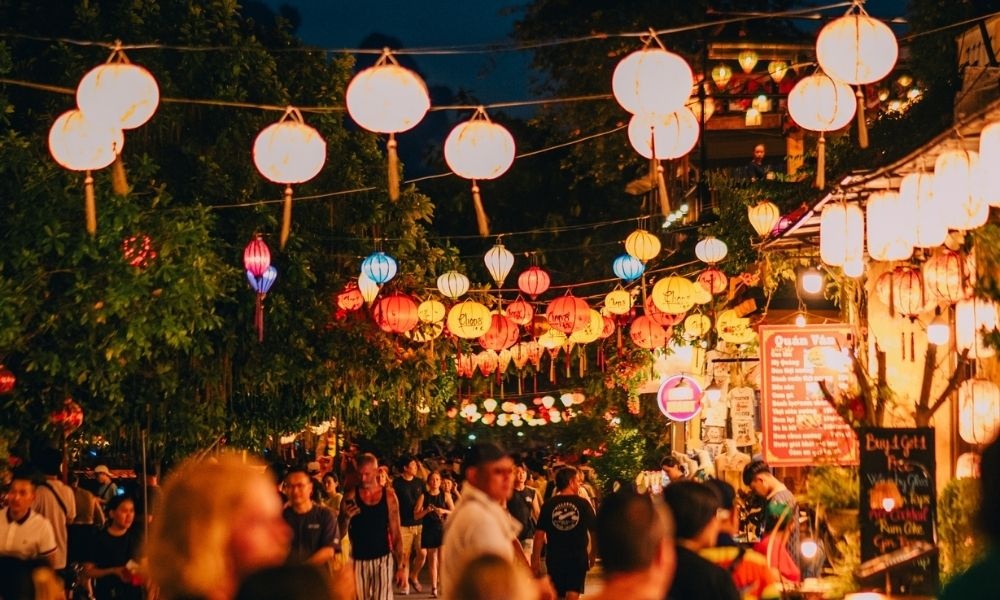
Choosing a shape depends on your skill level and desired aesthetic. For instance, a round or diamond shape is often recommended for beginners, while more intricate designs like the lotus might require more experience. This guide focuses on how to make a collapsible Hoi An lantern, a key feature of traditional Vietnamese crafts.
Time, Cost, and Effort: What to Expect
Making a Hoi An lantern is a rewarding project that requires a realistic understanding of time, cost, and effort. For beginners, completing a simple round or diamond-shaped lantern typically takes 2 to 4 hours, including material preparation and drying time.
The estimated cost for materials ranges from $10 to $30 USD for one lantern, excluding tools you might already own. Patience and precision are key requirements throughout the crafting process, ensuring a beautiful and sturdy final product.
Essential Preparations for Your Lantern Craft
Gathering Your Materials: What You will Need for a Traditional Vietnamese Lantern
To embark on your Vietnamese lantern craft, gather these essential materials. What materials are needed to make a Hoi An lantern? You will need:
- Bamboo sticks: Thin, flexible bamboo strips are crucial for the frame. Ensure they are uniform in thickness and length for a balanced structure.
- Silk fabric: High-quality silk is preferred for its translucence and vibrant color. Various colors can be used to achieve your desired aesthetic.
- Strong thread or fishing line: This is used for tying the bamboo frame together securely.
- Wood glue or hot glue: Essential for securing joints and attaching the fabric.
- Lantern tassels (optional): These add a traditional decorative touch to the bottom of your lantern.
- Light source: A small LED bulb with a battery pack is recommended for safety and longevity. A traditional candle holder can be used with extreme caution.
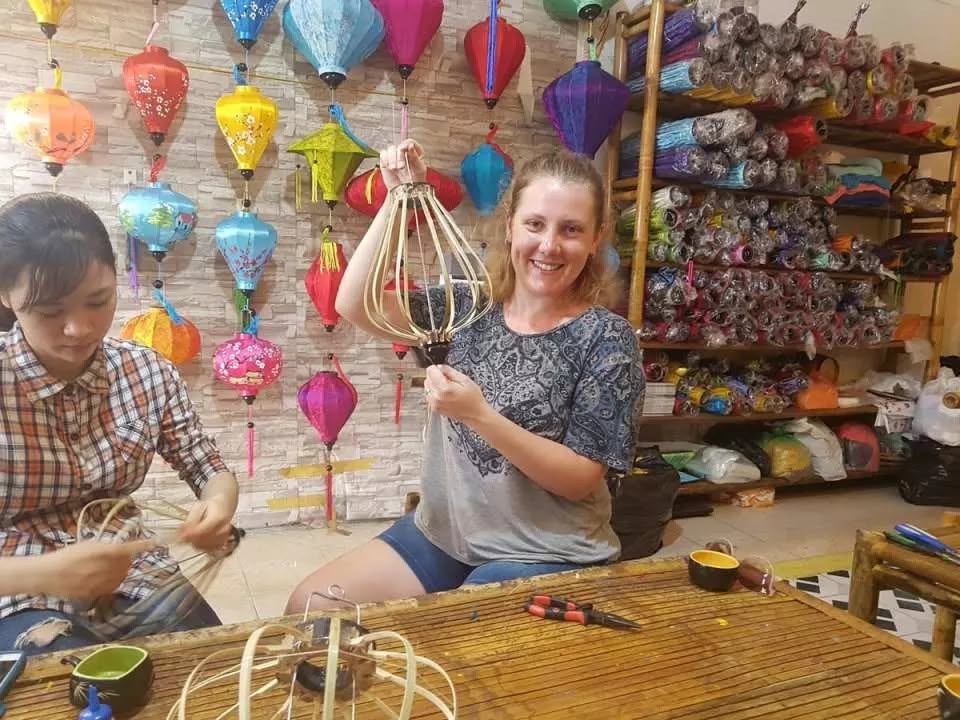
These lantern making supplies are the foundation for your project.
Tools of the Trade: Equipping Your Workshop
Having the right tools will make your Hoi An lantern making process smoother and more enjoyable. Here is a detailed list of what you will need:
- Scissors: For precise cutting of silk fabric and thread.
- Ruler or measuring tape: Essential for accurate measurements of bamboo strips and fabric pieces.
- Pencil: For marking cutting lines on bamboo and silk.
- Small saw or craft knife: Used for cutting bamboo strips to the desired lengths.
- Drill (optional): A small drill can be helpful for creating precise holes in bamboo for threading, especially for collapsible designs.
- Paintbrush: Ideal for applying wood glue evenly and sparingly.
- Clothespins or clips: Useful for holding the silk fabric in place while the glue dries, ensuring a taut finish.
Sourcing Authentic Supplies: Where to Buy Materials for Hoi An Lantern Making
Finding authentic supplies is crucial for creating a genuine Hoi An lantern. If you are in Hoi An, Vietnam, local markets like Hoi An Central Market and various craft shops are excellent places to find authentic bamboo, silk fabric, and other supplies directly from Vietnamese artisans.
For those outside Vietnam, online options provide convenient access. Websites like Etsy and Amazon offer a range of materials; search for “Vietnamese silk fabric,” “bamboo craft sticks,” or “Hoi An lantern kit instructions.” Local craft stores can also be a source for general supplies like glue and thread, though specific types of bamboo or silk might require online ordering.
Detailed Guide: Crafting Your Authentic Hoi An Lantern
Step 1: Preparing Your Bamboo Frame Elements
Preparing the bamboo strips correctly is the first crucial step in constructing a sturdy and beautiful lantern. Begin by soaking the bamboo strips in water for a few hours or overnight; this process significantly increases their flexibility, making them easier to bend without breaking.
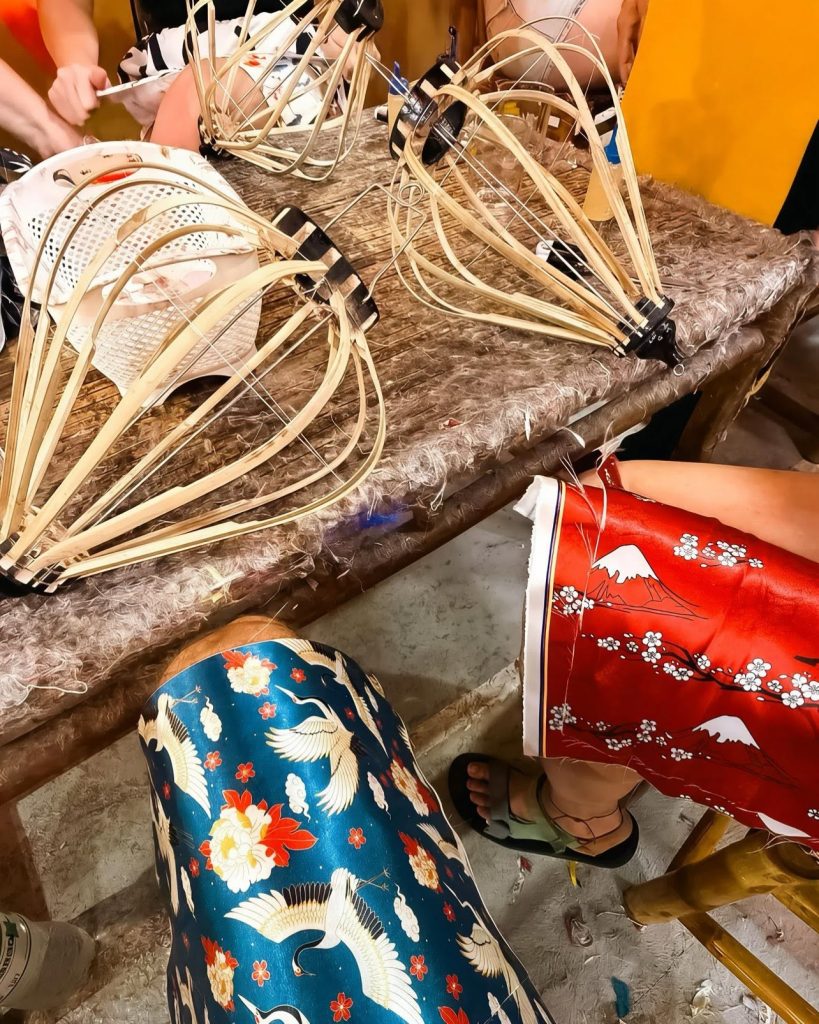
Next, cut the bamboo strips to precise lengths according to the specific dimensions of your chosen lantern shape, differentiating between pieces for the main structure and the ribs. For collapsible designs, creating small notches or drilling tiny holes is essential for threading and securely joining the elements.
Finally, ensure all bamboo pieces are uniform and symmetrical; this attention to detail is vital for a balanced and aesthetically pleasing frame.
Step 2: Assembling the Collapsible Bamboo Frame
Assembling the bamboo lantern frame requires precision to ensure both sturdiness and the collapsible mechanism. Start by tying the main bamboo pieces together with strong thread or fishing line, forming the basic top and bottom rings of your lantern. Next, connect these rings with vertical bamboo strips, which will establish the lantern’s height and overall shape.
The key to how to make a collapsible Hoi An lantern lies in integrating the collapsible mechanism; carefully secure specific joints that allow the frame to fold flat. This often involves creating pivot points with thread rather than rigid glue. Double-check that all bamboo joints are tightly secured and the entire frame is symmetrical and robust. This step is fundamental to how to assemble a Hoi An silk lantern frame.
Step 3: Attaching the Vibrant Silk Fabric
Attaching the vibrant silk fabric is where your lantern truly comes to life, transforming the bamboo frame into a traditional Vietnamese masterpiece. Begin by cutting the silk fabric into appropriate shapes and sizes to precisely cover each section of your bamboo frame. Next, apply wood glue or hot glue evenly and sparingly to one section of the bamboo frame at a time.
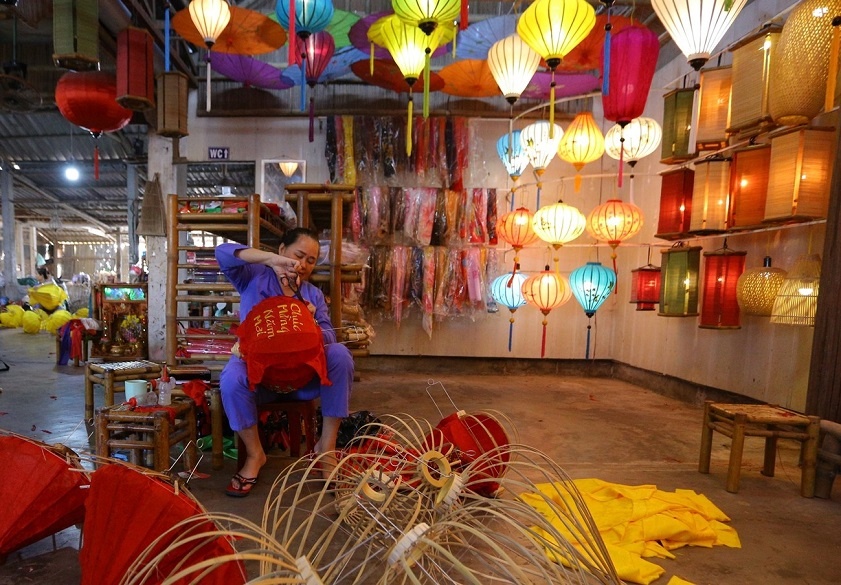
Carefully stretch the silk taut over the frame, smoothing out any wrinkles as you go to ensure a seamless finish. Finally, secure the edges of the silk with additional glue or fine stitching, creating a clean and polished look for your silk lantern tutorial. This fabric lantern DIY step is critical for the lantern’s aesthetic appeal.
Step 4: Adding the Finishing Touches and Light Source
The final step involves adding the decorative elements and installing the light source, bringing your handmade Hoi An lantern to completion. Begin by trimming any excess silk fabric neatly around the edges of the frame for a clean finish. Next, attach decorative elements, such as traditional lantern tassels, to the bottom of your lantern, enhancing its authentic appeal.
Install your chosen light source: a small LED bulb with a battery pack is highly recommended for safety and convenience. If you opt for a traditional candle holder, use it with extreme caution and always supervise the lantern when lit. Ensure all components are securely attached, making your make Vietnamese silk lantern at home ready for display as a beautiful Asian lantern making project.
Choosing Your Path: Variations and Customization for Your Lantern
Exploring Traditional Shapes and Modern Designs
After mastering the basic techniques, you can explore various traditional shapes and even venture into modern designs. The core steps for crafting the bamboo frame and attaching the silk can be adapted for different traditional Vietnamese crafts, such as round, diamond, garlic, or lotus lanterns. Each shape offers a unique aesthetic and cultural significance.
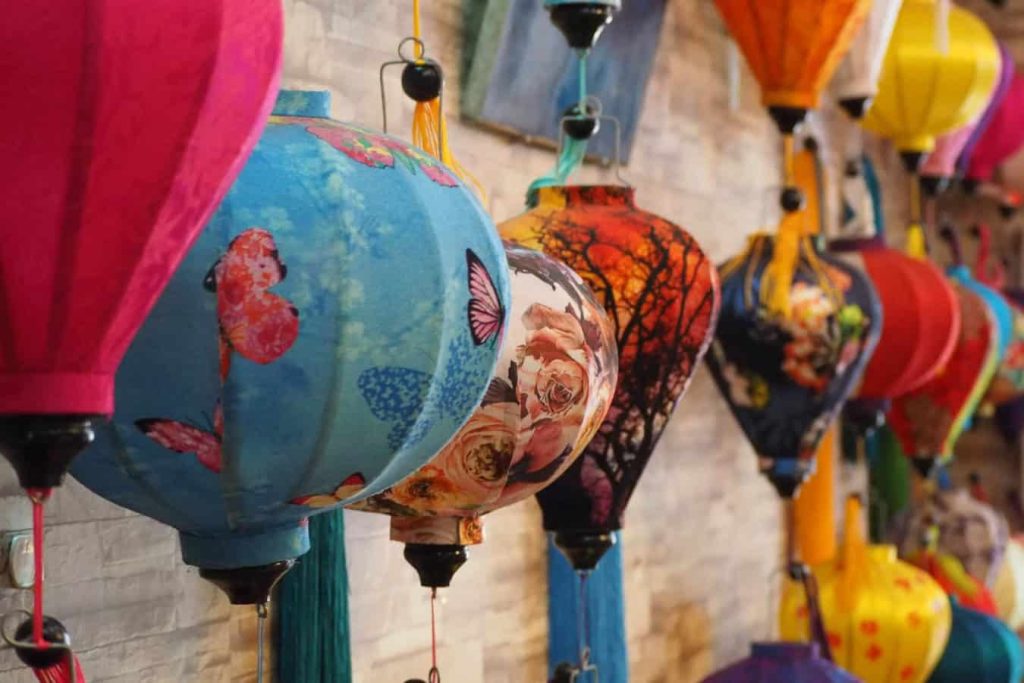
Beyond these classic forms, consider ideas for unique, modern designs that incorporate contemporary elements while retaining the essence of the Hoi An lantern. This allows for personal expression within the rich tradition.
Personalizing Your Lantern with Colors and Patterns
Personalizing your lantern with colors and patterns allows you to infuse your unique style or reflect specific cultural significance. Choose silk colors and patterns, whether solid hues or hand-painted motifs, that resonate with you.
Traditional Vietnamese designs often feature auspicious symbols or natural elements. Additionally, consider adding embellishments like delicate embroidery, decorative trims along the edges, or even personalized messages to make your lantern truly one-of-a-kind. This creative freedom makes your lantern a unique piece of DIY home decor.
From Home Decor to Handmade Gifts: Utilizing Your Creation
Your finished Hoi An lantern is versatile, serving as both stunning home decor and a thoughtful handmade gift. Display your creation in your living space, bedroom, or patio to add a touch of Asian inspired crafts and a warm, inviting ambiance.
The soft glow of the silk lantern creates a serene atmosphere. As a personalized gift, a handmade Hoi An lantern carries immense value and sentiment, making it a cherished present for friends and family. It is a unique way to share a piece of cultural craft projects with loved ones.
Important Considerations for Your Hoi An Lantern Project
Achieving Authenticity: Tips from Vietnamese Craftsmanship
Achieving authenticity in your Hoi An lantern project involves embracing the spirit of Vietnamese craftsmanship. Emphasize patience, precision, and meticulous attention to detail throughout every stage of the crafting process, from cutting bamboo to stretching silk.
Always strive to use high-quality, authentic materials for a genuine look and feel that truly reflects the traditional artistry. Furthermore, understanding the cultural significance behind the specific shapes, colors, and motifs will deepen your appreciation and ensure your creation honors its heritage.
Safety First: Lighting Your Lantern
Safety is paramount when incorporating a light source into your lantern. If you choose to use traditional candles, exercise extreme caution: always supervise the lantern when lit, use a secure, non-flammable holder within the frame, and ensure it is kept far away from any flammable materials.

For enhanced safety and convenience, consider the advantages of LED lights. LED bulbs are safer, offer longer-lasting illumination, and are often more convenient with battery packs, eliminating fire risks associated with candle lanterns.
Ensuring Success: Checking Your Work and Maintaining Your Lantern
How to Check Your Lantern for Quality and Durability
To ensure your handmade Hoi An lantern is of high quality and will last, conduct a thorough inspection after completion. First, carefully examine the bamboo frame for stability, ensuring it is symmetrical and all joints are securely tied or glued.
Next, check the silk fabric for tautness; it should be evenly adhered without any wrinkles or sagging. If your lantern is designed to be collapsible, verify that the mechanism functions smoothly and securely, allowing the frame to fold flat without resistance. This final check ensures your lantern is both beautiful and durable.
Care and Maintenance for Long-Lasting Beauty
Proper care and maintenance will ensure the long-lasting beauty of your Hoi An lantern. For cleaning, gently dust the silk with a soft cloth or a very soft brush; avoid using harsh chemicals or excessive moisture, which can damage the delicate fabric and glue. When storing your lantern, especially if it is collapsible, fold it carefully to prevent damage to the frame or silk.
Always store it in a dry, cool place, away from direct sunlight, to prevent the silk from fading and the materials from degrading over time. For the light source, replace LED batteries regularly, and if using a candle, ensure it is placed safely and never left unattended.
Common Challenges and Troubleshooting Tips
Uneven Frame or Asymmetrical Shape
An uneven or asymmetrical frame can detract from your lantern’s beauty. The signs include the lantern leaning, appearing lopsided, or not standing straight on a flat surface. Common causes for this issue are inaccurate bamboo measurements, loose thread ties that allow movement, or uneven bending of the bamboo strips during preparation.
To fix this, re-measure and re-tie any loose joints to tighten the structure. If the glue is still pliable, gently apply pressure to reshape the frame until it achieves symmetry.
Wrinkled or Sagging Silk Fabric
Wrinkled or sagging silk fabric can make your lantern look less polished. You will notice the silk is not smooth, has visible creases, or sags noticeably between the bamboo ribs. Common causes include not stretching the silk taut enough during application, uneven glue distribution, or the fabric drying too quickly before it has fully adhered.
To fix this, carefully re-apply glue to the problem areas. Gently stretch and smooth the silk, using clothespins or clips to hold it taut while the glue dries completely.
Visible Glue Marks or Excess Glue
Visible glue marks or excess glue can mar the delicate appearance of your silk lantern. Signs include noticeable glue residue on the silk fabric or directly on the bamboo frame. This usually happens from applying too much glue, messy application techniques, or not wiping away excess glue immediately after application.
To avoid this, use a small paintbrush for precise glue application, ensuring only a thin, even layer is applied. For water-based glues, gently wipe away any excess with a damp cloth immediately before it dries.
Frequently Asked Questions About Hoi An Lantern Making
How long does it typically take for a beginner to make a Hoi An lantern?
For a beginner, making a simple Hoi An lantern usually takes between 2 to 4 hours, including material preparation and drying time.
Where can I find a complete Hoi An lantern making kit?
Complete Hoi An lantern making kits can often be found online on platforms like Etsy or Amazon, or in craft shops in Hoi An Ancient Town.
Are Hoi An lanterns difficult to make for someone with no prior crafting experience?
No, Hoi An lanterns are achievable for beginners. They require patience and attention to detail rather than advanced artistic skills.
What is the best type of silk fabric to use for an authentic Vietnamese lantern?
High-quality, translucent silk fabric is best for an authentic Vietnamese lantern, allowing light to diffuse beautifully.
Can I use a real candle as the light source in my handmade Hoi An lantern?
You can use a real candle, but extreme caution is advised. Always supervise the lantern, use a secure non-flammable holder, and keep it away from flammable materials. LED lights are a safer alternative.
What is the secret to making a Hoi An lantern collapsible?
The secret lies in carefully securing specific bamboo joints with thread or fishing line rather than rigid glue, creating pivot points that allow the frame to fold flat.
What are the most traditional colors and shapes for Hoi An lanterns?
Traditional shapes include round, diamond, garlic, hexagon, and lotus. Common traditional colors are vibrant reds, yellows, and blues, often with hand-painted motifs.
How should I care for my finished silk lantern to ensure its longevity?
Gently dust the silk with a soft cloth, avoid harsh chemicals, and store it in a dry, cool place away from direct sunlight. If collapsible, fold it carefully.
Is it more cost-effective to make a lantern yourself than to buy one?
Making a lantern yourself can be more cost-effective, especially if you already own some tools. It also offers the unique satisfaction of a handmade item.
Can children safely participate in making Hoi An lanterns?
Children can participate with adult supervision, especially during steps involving cutting tools or glue. Focus on simpler shapes and use LED lights for safety.
Conclusion and Our Recommendations
Crafting your own Hoi An lantern is a deeply rewarding experience, connecting you with the rich traditions of Vietnamese craftsmanship. Remember to approach your project with patience, pay attention to detail, and enjoy every step of the creative process.
Start with a simpler shape, follow our detailed guide, and do not hesitate to personalize your creation. At Làng Dừa Xanh, we encourage you to embrace this cultural craft. We hope this guide empowers you to create a beautiful, authentic Hoi An lantern, bringing a piece of Vietnam’s enchanting heritage into your home.
