
The best time to travel to Da Nang and Hoi An is during the dry spring season from February to April, when sunny skies, moderate humidity, and comfortable temperatures between 23°C and 28°C (73°F to 82°F) create ideal conditions for sightseeing.
As local drivers and eco-tour coordinators at Green Coconut Village (Lang Dua Xanh) in Cam Thanh, our team welcomes visitors across every calendar month. In this 2026 climate guide, we break down seasonal weather patterns, analyze rainfall records, highlight top activities, explain how to navigate autumn rains, and provide practical booking advice.
Overview of Central Vietnam climate and seasonal patterns
Central Vietnam features a tropical monsoon climate with two distinct periods: a dry season from February through August and a wet season from September through January.
Because Da Nang and Hoi An sit 30 kilometers (18.6 miles) apart along the coast, both share identical weather patterns shaped by the Truong Son mountains and the East Sea.
Understanding both seasons allows travelers to pack properly and plan outdoor itineraries smoothly:
- The Dry Season (February to August): Brings abundant sunshine, calm seas, and minimal rain. Temperatures climb from a pleasant 25°C (77°F) in March to summer peaks exceeding 35°C (95°F) in June and July, ideal for beach holidays and heritage walks.
- The Wet Season (September to January): Driven by the northeast monsoon, this period delivers heavy rains, high humidity, and cooler days dipping to 19°C (66°F) in December. Peak precipitation occurs in October and November, bringing occasional river flooding to low-lying historic streets.
This weather matrix summarizes seasonal conditions across Da Nang and Hoi An:
| Season & Months | Temp Range (°C / °F) | Monthly Rainfall | Sea Conditions | Best Travel Focus | Overall Verdict |
|---|---|---|---|---|---|
| Spring (Feb – Apr) | 23°C – 28°C (73°F – 82°F) | 20 – 30 mm | Calm & clear | Walking, cycling, boat tours | Best overall time |
| Summer (May – Aug) | 31°C – 36°C (88°F – 97°F) | 60 – 115 mm | Warm & tranquil | My Khe Beach, Cham Islands | Hot sunny beach peak |
| Autumn (Sep – Nov) | 24°C – 29°C (75°F – 84°F) | 350 – 650 mm | Choppy & rough | Indoor culture, culinary tours | Peak rains & storms |
| Winter (Dec – Jan) | 19°C – 23°C (66°F – 73°F) | 85 – 210 mm | Cool & windy | Museums, festive dining, cafes | Cool budget travel |
Seasonal breakdown for Da Nang and Hoi An vacations
Spring sweet spot from February to April for outdoor exploring
Visiting Central Vietnam between February and April delivers the finest overall travel climate of the year. Cool winter winds fade while oppressive summer heat has not yet arrived. Daily temperatures average 23°C to 28°C (73°F to 82°F), accompanied by clear blue skies and pleasant sea breezes.
Travelers can easily climb the stone stairs of Marble Mountains, cycle through rice paddies in Cam Chau, and explore Hoi An without fatigue. Rainfall stays negligible, averaging under five wet days monthly. Visiting in February also lets travelers experience festive Lunar New Year (Tet) floral displays along the Han River.
Summer beach season from May to August for coastal recreation
From May through August, Central Vietnam transforms into a sun-filled tropical retreat with afternoon highs reaching 33°C to 36°C (91°F to 97°F). This is the prime season for beachgoers, swimmers, and marine enthusiasts vacationing along Da Nang’s coast.
My Khe Beach and An Bang Beach feature calm surf and clear water, making swimming safe. Speedboats depart daily from Cua Dai wharf for the Cham Islands, where coral reef snorkeling peaks in June and July.
Because midday sun is intense, follow local habits: tour cultural sights before 10:00 AM, rest during noon heat, and venture out after 4:00 PM for sunset swimming and dining. Note that June and July draw large domestic vacation crowds to coastal resorts.
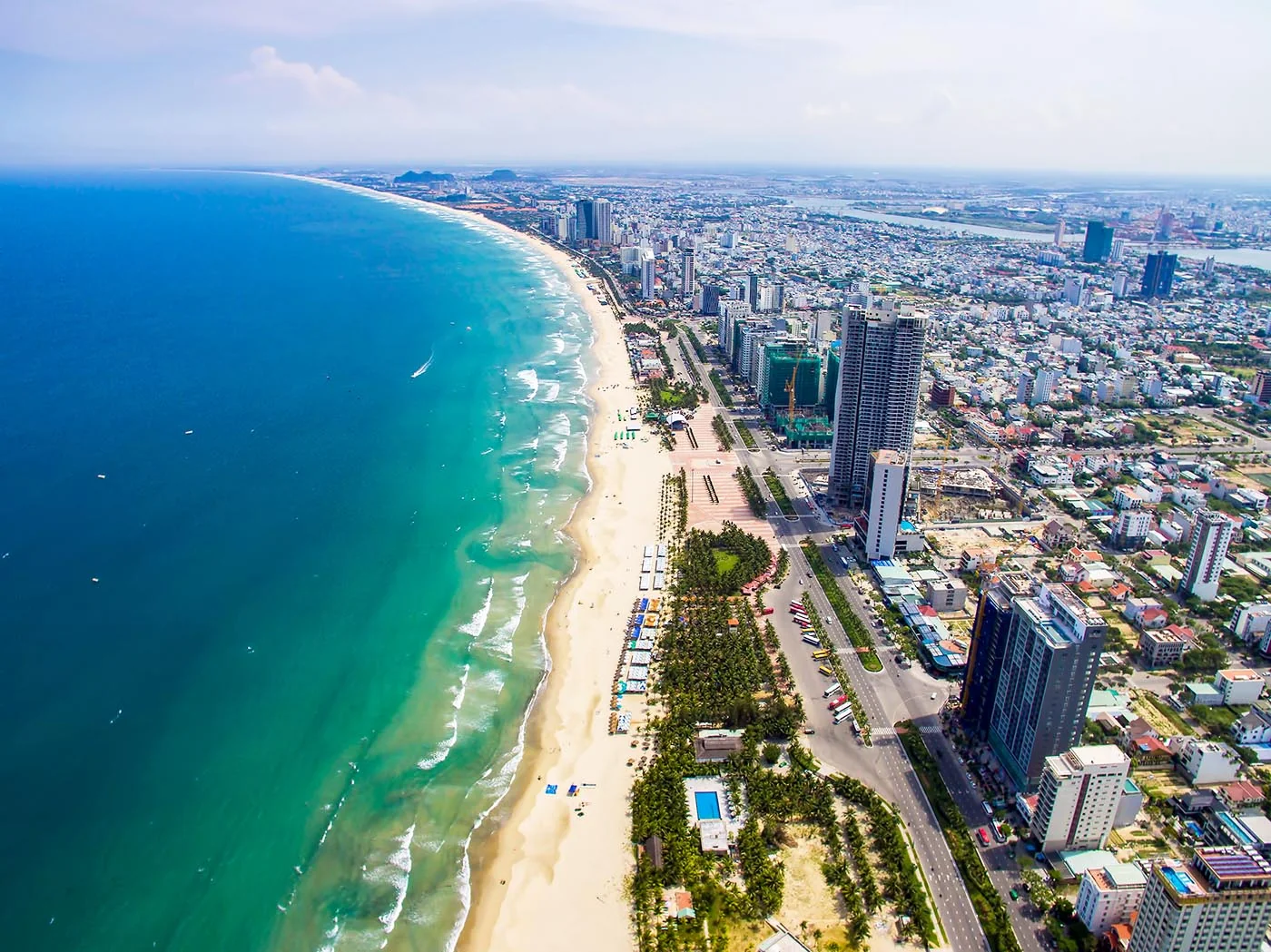
Monsoon transition and heavy rain from September to November
Weather patterns shift rapidly in September as the northeast monsoon influences the climate of Vietnam. Atmospheric humidity rises, and monthly rainfall climbs from 350 mm in September to over 650 mm in October and November. Rains can persist for multiple days, and coastal provinces regularly face tropical depressions.
During heavy downpours in late October and November, the Hoai River often overflows, submerging lower streets in Hoi An such as Bach Dang and Nguyen Thai Hoc.
While street flooding curtails walking tours, local sampan operators ferry residents through picturesque canals. Travelers arriving during this window enjoy reduced luxury resort rates, quiet heritage monuments, and engaging indoor workshops.
Cool winter period from December to January for budget travelers
December and January represent Central Vietnam’s winter period, with cooler daytime temperatures hovering between 19°C and 23°C (66°F to 73°F). Rainfall drops substantially compared to November, although overcast skies and brisk maritime winds remain standard.
Cooler water and rough surf temporarily halt boat excursions to Cham Islands and discourage ocean swimming. Nevertheless, this weather suits travelers who prefer cooler climates. Exploring museums, bicycling through rural hamlets, and shopping at riverside markets require minimal effort without sweating. Hotel rates and airfares remain economical, except during the busy Christmas and New Year week.
Navigating seasonal challenges, typhoons, and Hoi An floods
Managing a smooth holiday during wetter months requires understanding coastal terrain and monitoring regional weather forecasts. Hoi An Ancient Town sits near the mouth of the Thu Bon River basin, making low-lying riverside lanes vulnerable to heavy inland runoff paired with high ocean tides.
When upstream reservoirs discharge water during November storms, riverside streets flood quickly. Local authorities deploy sirens and barriers to protect visitors, while Da Nang’s modern drainage prevents street flooding.
To ensure safety and itinerary flexibility during the wet season, follow these practical rules:
- Select Elevated Accommodations: In Hoi An during October and November, reserve hotels away from flood zones, favoring elevated sectors like Cam Pho or Cua Dai Road.
- Monitor Marine Bulletins: Check forecasts via the National Center for Hydro-Meteorological Forecasting (NCHMF) 48 hours before boat trips.
- Book Flexible Reservations: Choose airlines and tour operators that permit penalty-free date adjustments if storms disrupt regional transport.
- Pack Waterproof Gear: Carry dry bags for electronics, light rain ponchos, and non-slip sandals rather than leather shoes on wet paving stones.
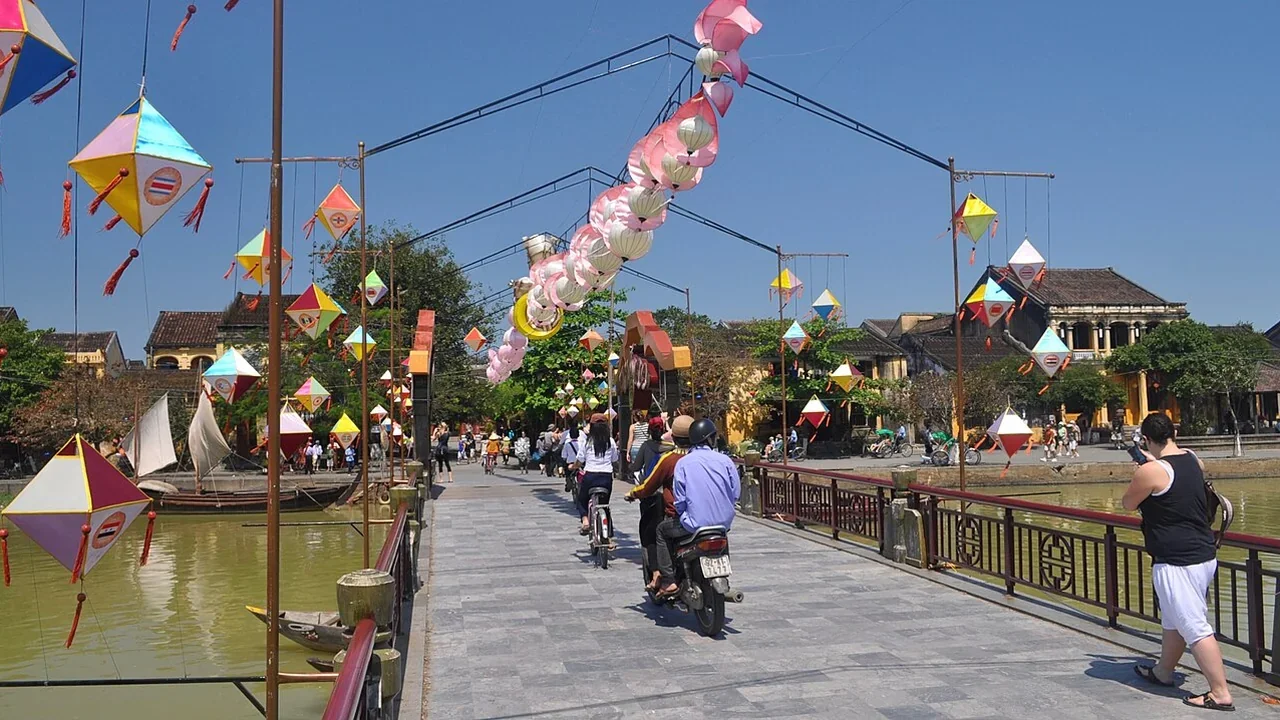
While Central Vietnam’s rainy season calls for flexible schedules, it reveals an atmospheric side of Hoi An with dramatic skies, empty alleys, and substantial boutique accommodation savings.
Best time to experience the Cam Thanh coconut basket boat tour
Taking a basket boat tour through the Bay Mau nipa palm forest in Cam Thanh is a signature Central Vietnam experience operating throughout the year, located five kilometers east of central Hoi An. This 84-hectare wetland protects waterways from offshore squalls.
The ideal paddling season runs from February to August with gentle river currents and clear skies. Mornings between 8:00 AM and 10:00 AM and late afternoons between 3:30 PM and 5:00 PM avoid midday heat while capturing golden sunset reflections.
Even from September to January, tours operate safely on calm days. Palm fronds block winds, and bamboo boats provide umbrellas and conical hats against showers.
Booking directly with Lang Dua Xanh (Green Coconut Village) in Van Lang Hamlet guarantees verified local captains and official transparent ticket pricing:
- Adult Ticket: 90,000 VND (~$3.60 USD) per person, including 45,000 VND forest entry, a 45 to 60-minute boat ride, crab fishing, and the spinning show.
- Child Ticket (Ages 1 to 6): 45,000 VND (~$1.80 USD) per child. Infants under 1 enter free.
- Spinning Show Tip: Watching from your boat is free. Stepping aboard for a fast spin is an optional 100,000 VND (~$4.00 USD) tip to the performer.
- Fishing Net Demonstrations: River net casting concludes daily at 4:30 PM.
Lang Dua Xanh provides secure luggage lockers, clean restrooms, and riverfront waiting lounges. You can easily pair your boat ride with our hands-on lantern making class combo for 200,000 VND (~$8.00 USD) before heading into central Hoi An. For route planning, check our guide on traveling from Da Nang to Hoi An or read our guide on the best month to visit Hoi An to avoid rain.

Follow this seasonal travel checklist when organizing your Central Vietnam trip:
- Target February to April for balanced touring: Book flights early to enjoy comfortable 25°C weather and dry skies across both cities.
- Reserve summer beach lodging ahead: Book Da Nang seaside resorts 4 to 8 weeks in advance for June, July, and August.
- Plan outdoor excursions around midday sun: Schedule walking tours and boat trips before 10:00 AM or after 3:30 PM in hot months.
- Confirm flexible storm policies in autumn: Ensure hotel and tour bookings permit free date changes during October and November.
- Pack light layers for winter travel: Bring a windbreaker and quick-drying shoes if visiting between December and January.
- Direct drivers to official piers: Head straight to Lang Dua Xanh in Van Lang Hamlet (+84 905 936 985) to bypass roadside ticket markups.
Experience authentic bamboo basket boat tours, crab fishing, and cultural lantern crafting in Cam Thanh Coconut Forest, with seamless private car transfers connecting Da Nang and Hoi An year-round.
Frequently asked questions
What is the single best month to visit both Da Nang and Hoi An?
March is the single best month to visit Da Nang and Hoi An. Average temperatures hover around 25°C (77°F), humidity drops to 80%, and rainfall is low at 22 mm. Travelers enjoy sunny beach days, comfortable walking in the Ancient Town, and calm waters for basket boat rides without summer heat or dense crowds.
Can you swim at My Khe Beach during the rainy season from October to December?
Swimming at My Khe Beach is not recommended between October and December due to rough monsoon seas. Strong rip currents and large swells make swimming hazardous, prompting red warning flags along beaches. Travelers wanting to swim in winter should choose resorts with heated indoor pools.
Does Hoi An Ancient Town flood every year during the wet season?
Hoi An Ancient Town experiences river overflow in low-lying sectors between October and November, but flooding does not submerge the whole town. Overflow mainly impacts streets along the Hoai River like Bach Dang. Higher streets like Tran Phu stay dry, keeping restaurants, shops, and workshops open.
