
Planning a holiday in Central Vietnam requires careful attention to tropical weather patterns. Hoi An boasts yellow heritage shophouses, peaceful countryside cycling routes, and coastal water coconut waterways. However, heavy seasonal downpours can quickly flood low-lying streets and disrupt outdoor excursions.
At Lang Dua Xanh, our team operates daily bamboo basket boat tours through the Cam Thanh Coconut Forest. We monitor regional tides and weather forecasts every morning to keep visitors safe. In this comprehensive meteorological guide, we explain the best months to visit Hoi An to avoid rain. You will find detailed monthly rainfall data, temperature averages, flood risk assessments, and practical advice to guarantee dry skies during your vacation.
Best month to visit Hoi An to avoid rain: The quick answer?
The single best period to visit Hoi An to avoid rain runs from February through April. During these three spring months, Central Vietnam experiences clear blue skies, mild humidity, and minimal rainfall. Monthly precipitation averages less than thirty millimeters, making extended rain showers virtually nonexistent.
If your primary goal is avoiding rain entirely, February and March are the absolute driest months of the calendar year. You will enjoy comfortable daytime temperatures averaging twenty-five degrees Celsius without oppressive tropical heat.
February to April: the golden dry season window
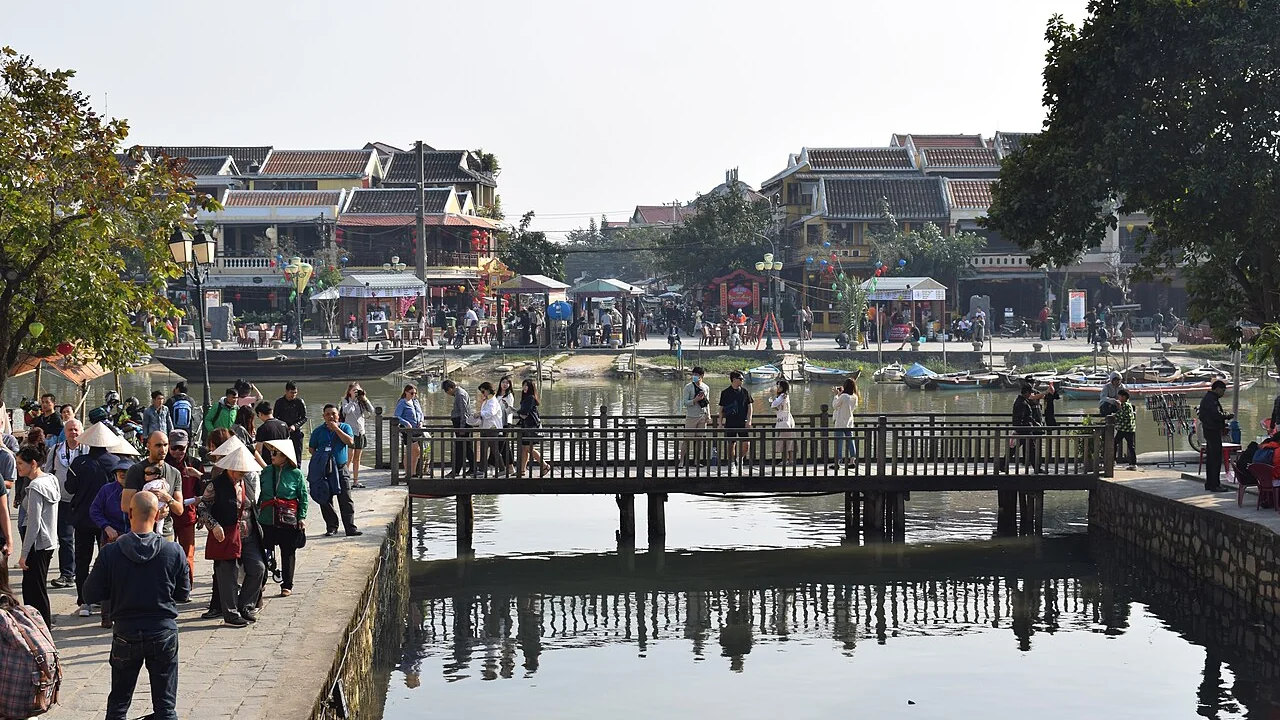
Spring represents the premier sightseeing season in Quang Nam province. Comfortable temperatures between twenty-two and twenty-eight degrees Celsius make walking through the Ancient Town a pleasure.
Rainfall during this window remains extraordinarily low. Most days bring eight to ten hours of uninterrupted sunshine. You can stroll through open-air markets, cycle to organic vegetable villages, and ride riverboats without worrying about sudden tropical downpours.
May to August: hot sunny days and beach weather

The dry season continues through May, June, July, and August. Rain remains rare during these summer months, but daytime heat rises substantially. Daily temperatures regularly exceed thirty-four degrees Celsius, with midday heat indexes climbing past forty degrees.
This period is ideal for beach lovers visiting An Bang Beach or My Khe Beach in neighboring Da Nang. However, families and active sightseers should schedule walking tours and boat excursions for early mornings or late afternoons.
The monthly climate overview table below outlines temperature and rainfall patterns across the entire year:
| Month | Average High / Low (°C) | Average Rainfall (mm) | Rainy Days per Month | Flood and Storm Risk | Overall Travel Verdict |
|---|---|---|---|---|---|
| January | 25°C / 19°C | 85 mm | 11 days | Low (Cool and breezy) | Good (Occasional light drizzle) |
| February | 26°C / 20°C | 25 mm | 4 days | None | Outstanding (Driest and pleasant) |
| March | 28°C / 22°C | 20 mm | 3 days | None | Outstanding (Peak dry weather) |
| April | 31°C / 24°C | 25 mm | 4 days | None | Excellent (Warm, very dry, sunny) |
| May | 33°C / 26°C | 60 mm | 7 days | None | Great (Hot, dry, perfect beach) |
| June | 35°C / 27°C | 70 mm | 7 days | None | Good (Very hot, minimal rain) |
| July | 35°C / 27°C | 85 mm | 8 days | None | Good (Peak heat, low rainfall) |
| August | 34°C / 26°C | 105 mm | 10 days | Low | Moderate (Hot, late-month rain) |
| September | 32°C / 25°C | 310 mm | 15 days | Moderate | Fair (Rainy season begins) |
| October | 29°C / 23°C | 540 mm | 21 days | Very High | Poor (Heavy monsoon and floods) |
| November | 27°C / 22°C | 420 mm | 19 days | High | Poor (Frequent storms and rain) |
| December | 25°C / 20°C | 210 mm | 16 days | Moderate | Fair (Cool, damp, frequent showers) |
Hoi An seasonal breakdown: dry season versus rainy season
The dry season spans seven full months from late winter through late summer. During this prolonged dry stretch, dry northeasterly air currents give way to warm southern breezes.
Waterways throughout the Cam Thanh Coconut Forest run crystal clear and calm. Water levels stay predictable, allowing smooth navigation for traditional bamboo basket boats. Pedestrian streets in the Ancient Town stay completely dry, and restaurants set up open-air tables along the riverfront without rain awnings.
The monsoon shifts abruptly in September as moist maritime air flows inland from the East Sea. Precipitation increases dramatically, transforming dry canals into rushing waterways.
Showers during September and December often occur as brief, heavy afternoon downpours. However, October and November bring prolonged monsoon fronts that can deliver non-stop rain for three to five consecutive days. Tropical depressions and typhoons developing in the Western Pacific also track toward Central Vietnam during this window.
Months to avoid when planning your Hoi An trip
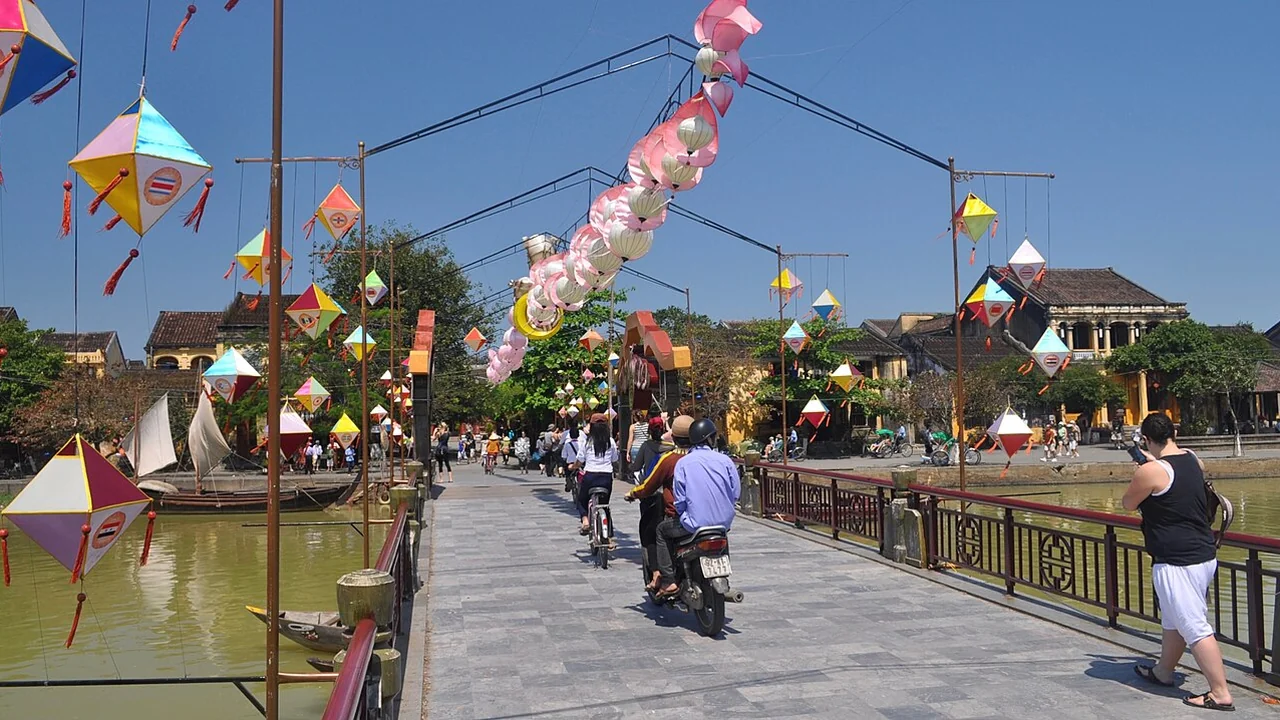
October averages over five hundred and forty millimeters of precipitation, while November delivers over four hundred millimeters. Persistent downpours saturate the surrounding mountainous catchment areas of Quang Nam province.
When heavy rainfall coincides with high ocean tides, upstream hydroelectric dams release excess water into the Thu Bon river basin. This combination causes riverbanks to overflow into the historic core of Hoi An.
Water activities and Cam Thanh Coconut Forest conditions by season
Why dry months offer the best bamboo basket boat experiences

Between February and August, the sheltered canals of the Cam Thanh Coconut Forest remain calm and tranquil. Gentle tidal currents allow local rowers to navigate narrow palm corridors with effortless precision.
Bright sunshine filters through the towering nipa palm fronds, creating picturesque lighting for photography. Gentle conditions also allow rowers to perform thrilling spinning boat acrobatics safely without water turbulence.
Visitors can relax completely while trying crab fishing along the muddy root banks. Traditional bamboo rod baiting works best during calm, sunny mornings when small purple crabs emerge to feed.
At Lang Dua Xanh, independent travelers can experience a forty-five minute bamboo basket boat excursion for just 45,000 VND ($1.71 USD) per person. Booking directly during dry spring months guarantees optimal water clarity, cool morning breezes, and authentic local fishing demonstrations.
Safety precautions and operator policies at Lang Dua Xanh during rainy spells
During the wet autumn months, our management team enforces strict marine safety protocols. We inspect life vests daily and monitor official meteorological bulletins from the Quang Nam maritime authority.
If river levels surge past safe thresholds or strong wind advisories take effect, all basket boat operations cease immediately. We offer free rescheduling or full refunds to travelers whose bookings are affected by inclement weather.
What to pack for Hoi An depending on your travel month
Dry season essentials: sun protection and breathable fabrics
If you visit between February and August, prepare for intense tropical sunshine:
- Pack lightweight linen shirts, loose cotton shorts, and breathable dresses.
- Bring a broad-brimmed sun hat and polarized sunglasses to cut water glare during boat rides.
- Carry high-SPF sunscreen and apply it generously before morning walking tours.
- Bring an insulated water flask to keep drinking water cold during midday heat.
- Pack comfortable walking sandals that breathe well on heated cobblestones.
Wet season survival gear: waterproof covers and slip-resistant footwear
If traveling during the transitional or rainy months from September through January, prioritize waterproofing:
- Carry a compact, wind-resistant travel umbrella for daily walking.
- Pack a durable, lightweight rain poncho rather than a heavy winter rain jacket.
- Use waterproof dry bags to safeguard smartphones, passports, and camera lenses during boat transfers.
- Wear rubber-soled walking shoes with deep traction to prevent slipping on wet, mossy heritage bricks.
- Bring fast-drying synthetic clothing that washes easily and dries quickly in high humidity.
Frequently asked questions about Hoi An weather and rainfall
What is the single driest month to visit Hoi An?
March is statistically the single driest month in Hoi An. The town receives an average of just twenty millimeters of rainfall across the entire month, with only three days of brief scattered moisture. March also features comfortable daytime temperatures averaging twenty-eight degrees Celsius, making it the most reliable month for outdoor sightseeing and countryside excursions.
Does it rain all day during the Hoi An rainy season?
In September and December, rain typically arrives in intense bursts lasting one to two hours, often in the late afternoon. Clear skies frequently appear between showers. However, during October and November, monsoon depressions can create continuous grey skies and steady rainfall lasting several days. If you visit in late autumn, plan indoor activities like cooking classes and lantern workshops.
Is Hoi An still worth visiting during October and November?
Hoi An can be rewarding in October and November for flexible, adventurous travelers who accept wet conditions. Hotel room rates drop significantly, and the streets are free of tour crowds. Photographers often capture stunning reflections of glowing lanterns on water-slicked pavements. However, travelers seeking outdoor adventure, cycling, and sunny beach relaxation should avoid these two months.
How does Da Nang weather compare to Hoi An during the rainy season?
Da Nang and Hoi An share almost identical seasonal weather because they sit only twenty-nine kilometers apart. When heavy rain hits Da Nang, Hoi An receives similar precipitation. However, Da Nang has modern wide boulevards with advanced storm drainage systems. Hoi An Ancient Town sits directly on the low-lying delta of the Thu Bon River, making it significantly more susceptible to surface street flooding.
Are basket boat tours in Cam Thanh open in the rain?
Yes, basket boat tours at Lang Dua Xanh operate during light to moderate rain showers. Local rowers provide large traditional conical hats (non la) and umbrellas to keep guests sheltered. Many travelers find cruising through misty, rain-dusted coconut palm waterways exceptionally peaceful. However, tours are promptly suspended if thunder, lightning, or high-water river alerts occur.
